Flow Battery Energy Storage Systems: A Flexible Solution for Long-Duration Power Storage
Flow battery energy storage is emerging as a strong choice for companies and energy infrastructure projects that need dependable, long-term, and expandable storage capacity. In contrast to many conventional battery solutions, flow batteries are often selected for use cases where longer discharge periods, high cycling frequency, tailored system architecture, and operational reliability play a central role.
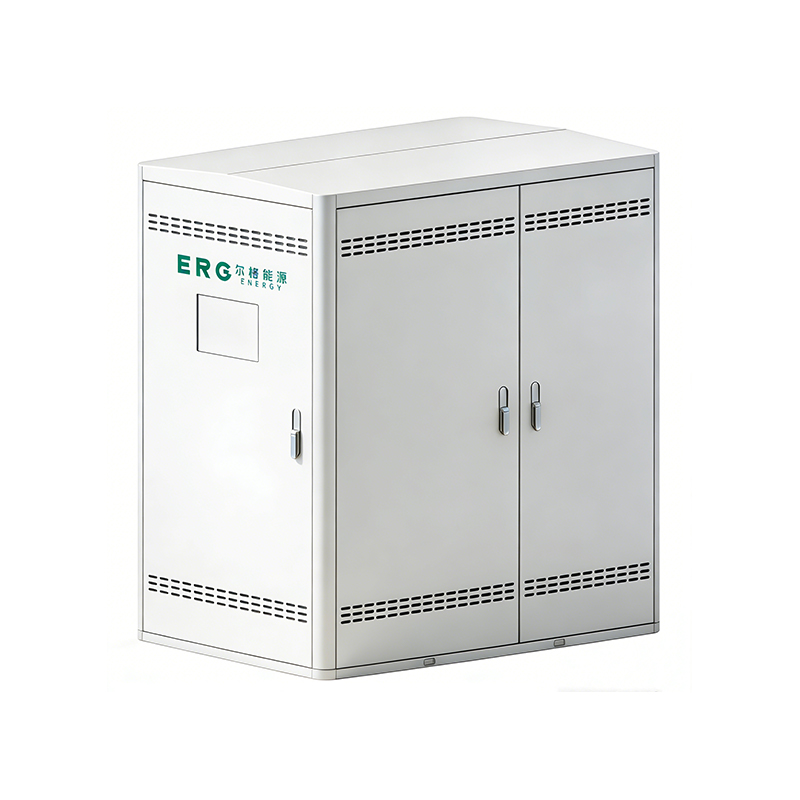
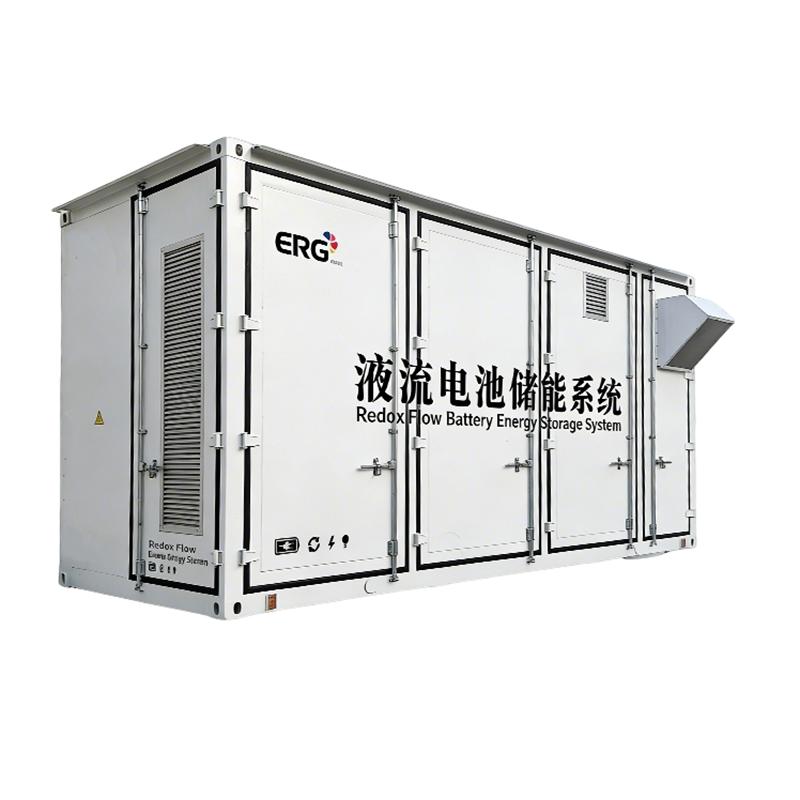
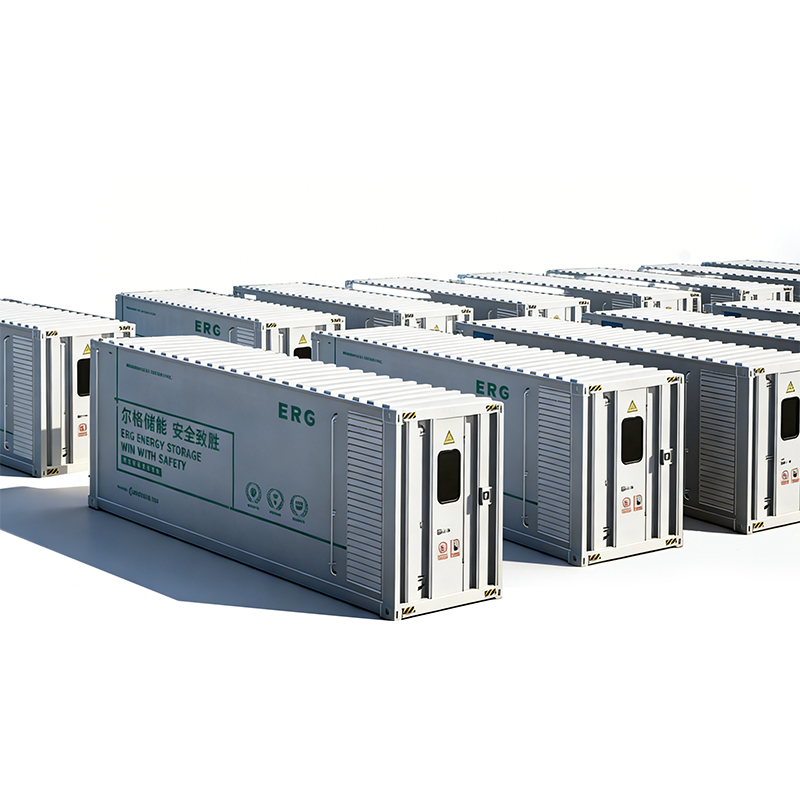
For manufacturing plants, commercial facilities, renewable power developments, and some residential energy applications, a 100kWh flow battery energy storage system can represent a practical mix of adaptable design, consistent performance, and lasting return on investment.
What Is a Flow Battery Energy Storage System?
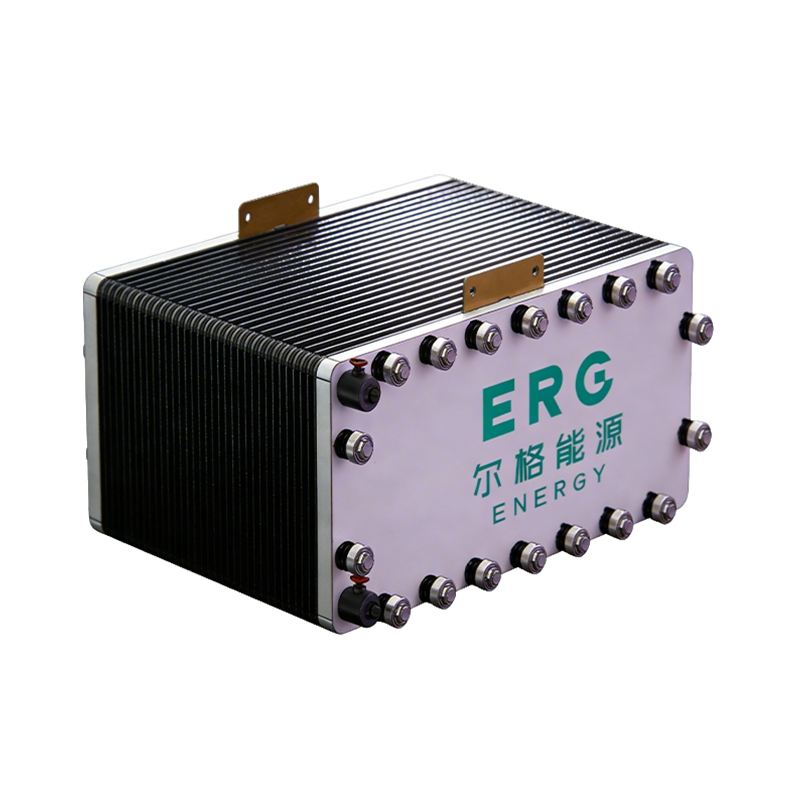
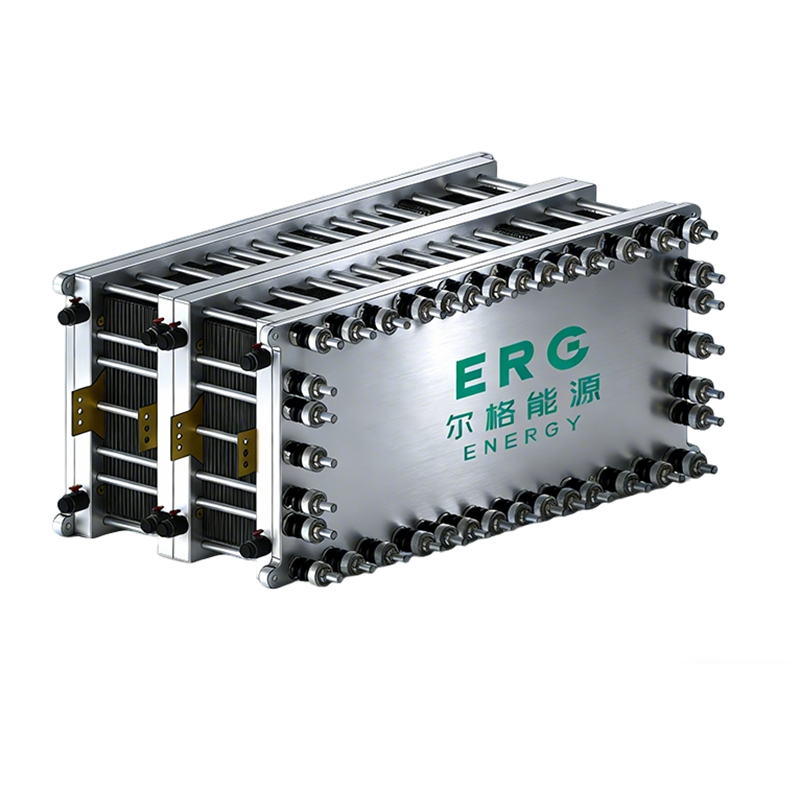
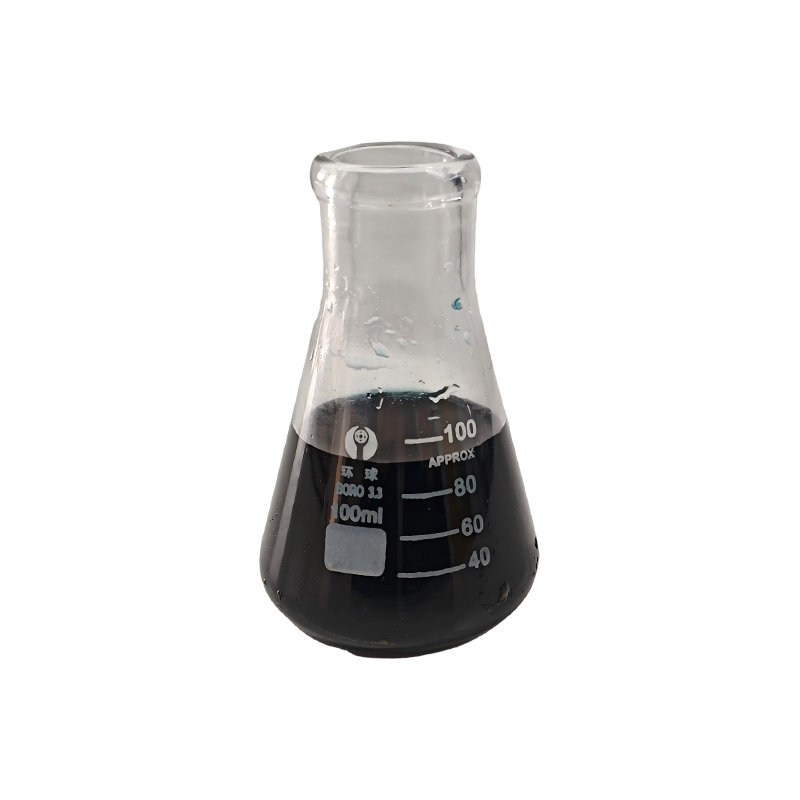
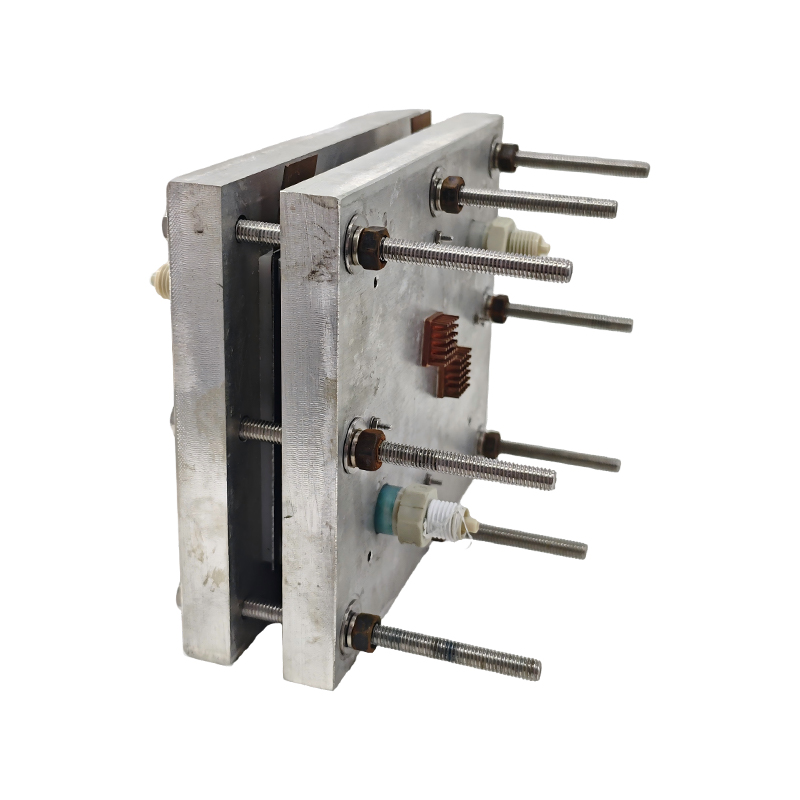
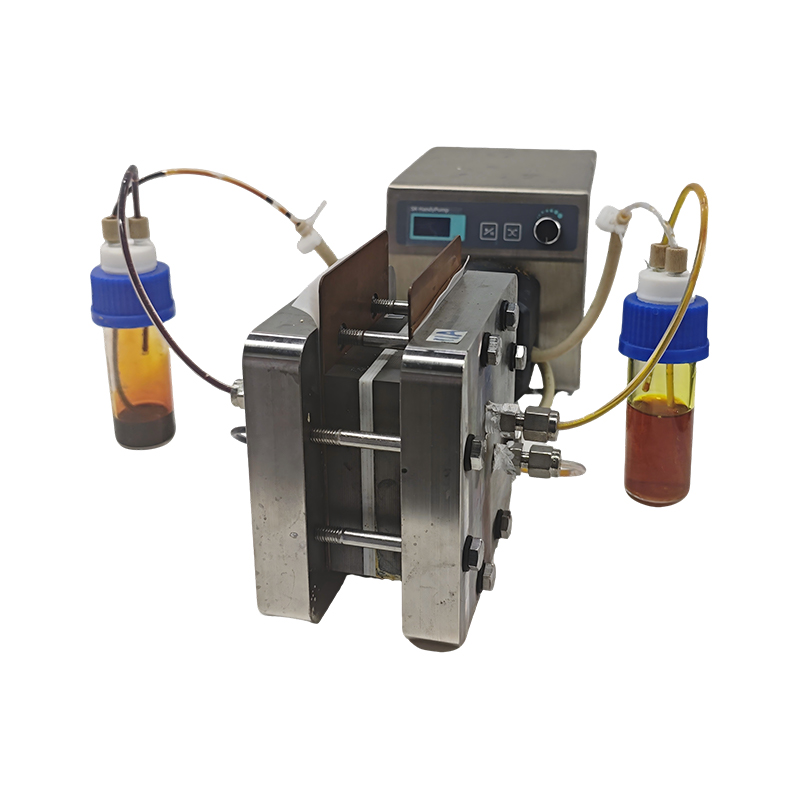
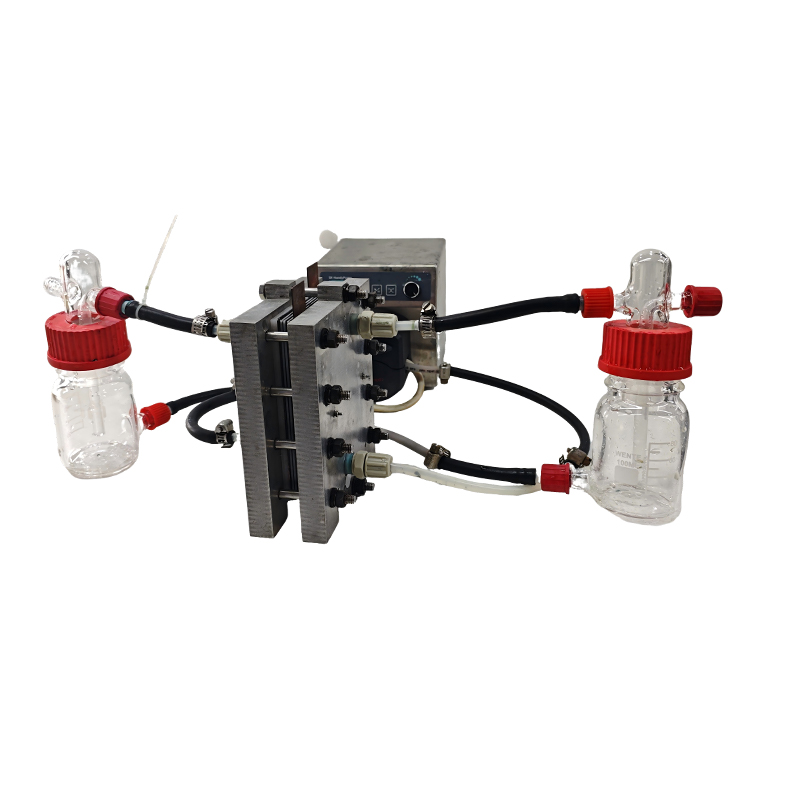
A flow battery energy storage system is a type of rechargeable battery that stores energy in liquid electrolytes. These electrolytes are held in external tanks and circulated through a battery stack during charging and discharging.
Unlike traditional batteries, where energy is stored mainly inside solid electrodes, flow batteries separate the energy storage medium from the power conversion unit. This structure allows the system to be adjusted more flexibly for different power and capacity requirements.
In simple terms:
- The battery stack mainly affects power output.
- The electrolyte volume mainly affects energy storage capacity.
- The system design determines how well the battery fits the project site, load profile, and operating environment.
This is why flow batteries are often considered for custom long-duration energy storage systems, especially when standard battery modules cannot fully match the project requirements.
Why Flow Batteries Are Used for Long-Duration Energy Storage
Flow batteries have become a preferred option for projects that require dependable performance over extended operating periods. In many energy storage deployments, the focus is not limited to how much electricity a system can hold at the start. Buyers also pay close attention to whether the battery can operate consistently, cycle frequently, and remain reliable throughout years of service.
A well-developed flow battery system can deliver several important advantages:
High electrolyte utilization rate
Improved use of the electrolyte supports better participation of active materials in the reaction process, which can contribute to stronger system performance and more efficient energy transfer.
High energy efficiency
With sound system integration and proper operational control, flow batteries are capable of maintaining stable charging and discharging behavior across routine use conditions.
Long cycle life
This characteristic makes them well suited to use cases that involve repeated cycling, such as renewable integration, peak shaving, energy shifting, and microgrid support.
Wide operating temperature range
Depending on the battery chemistry, thermal design, and system layout, flow battery installations can be built to perform under a wider range of ambient conditions.
Clean and low-pollution operation
Because no combustion is involved during normal operation, flow battery systems can serve as a cleaner energy storage option for facilities seeking lower environmental impact.
Flexible customization
System design can be adjusted to match site footprint, discharge duration, output requirements, control preferences, and other project-specific installation conditions.
For purchasers comparing customized flow battery energy storage systems for industrial and commercial use, these operational benefits often matter more in practice than a simple nameplate capacity comparison.
Where Flow Battery Systems Are Commonly Used
Flow battery systems are suitable for projects where energy storage needs to be durable, scalable, and engineered around real operating conditions. Below are the main application areas.
Industrial Energy Storage
Industrial operators often require energy storage solutions that can handle substantial power loads, lower peak demand charges, maintain process continuity, and increase the effective use of renewable energy on site.
Common industrial applications include:
- Factory energy storage systems
- Industrial park energy management
- Peak shaving and load shifting
- Renewable power balancing
- Microgrid and distributed energy projects
- Backup power for mission-critical equipment
Search-relevant long-tail terms naturally reflected in this section include industrial flow battery energy storage system, long-duration energy storage for factories, and customized energy storage solutions for industrial parks.
For industrial purchasers, a one-size-fits-all system is rarely sufficient. A flow battery installation may need to be configured around available site area, facility load profiles, safety and compliance requirements, utility interconnection conditions, and routine operating schedules.
Commercial Energy Storage
Commercial properties and business facilities are adopting energy storage more widely to control power expenses, strengthen on-site energy resilience, and support solar or other renewable electricity systems.
Typical commercial use cases include:
Shopping malls and office buildings Commercial solar-plus-storage projects Demand charge reduction Backup power for business continuity Distributed energy storage stations Energy management for EV charging facilities A commercial flow battery energy storage system can be particularly useful when a project depends on extended daily operation, stable cycling performance, and a longer usable service life.
For businesses evaluating flow battery for commercial solar energy storage or a customized commercial energy storage system, the focus is often on lifecycle return and long-term operating value rather than upfront purchase price alone.
Residential Energy Storage
Flow batteries are typically associated with larger energy storage installations, yet they may also be a practical option for selected residential and community-based projects where safety, long cycle life, and extended backup duration matter.
Potential residential applications include:
- Home solar energy storage
- Long-duration backup power
- Off-grid or semi-off-grid homes
- Community energy storage
- Residential microgrid systems
Relevant search-focused long-tail phrases for this area may include residential flow battery energy storage, safe home battery storage for solar power, and long-life energy storage system for home backup.
In residential environments, factors such as system capacity, available installation area, maintenance expectations, and overall cost planning should be reviewed carefully before selecting a flow battery solution.
Comparison: Flow Battery vs. Conventional Battery Storage
Different battery technologies serve different purposes. Flow batteries are not necessarily the best option for every application, but they are highly attractive for long-duration, high-cycle, and customizable energy storage projects.
|
Comparison Point
|
Flow Battery Energy Storage
|
Conventional Battery Storage
|
|
Best Application
|
Long-duration storage, frequent cycling, industrial and commercial projects
|
Compact storage, short-duration backup, portable or space-limited systems
|
|
Capacity Expansion
|
Energy capacity can often be increased by adding more electrolyte volume
|
Usually expanded by adding more battery modules
|
|
Cycle Life
|
Strong potential for long cycle life and repeated operation
|
Depends heavily on battery chemistry and usage conditions
|
|
Customization
|
Highly suitable for project-specific design and system integration
|
Often based on standardized module configurations
|
|
Safety Profile
|
Generally valued for stable operation and lower thermal risk characteristics
|
Requires strict thermal management and protection systems
|
|
Space Requirement
|
May require more space due to electrolyte tanks and system layout
|
Usually more compact for the same rated capacity
|
|
Long-Term Value
|
Attractive where durability and long operating life are priorities
|
Attractive where compact size and lower upfront cost are priorities
|
FAQ
What is a 100kWh-class flow battery energy storage system?
A 100kWh-class flow battery energy storage system is designed to store and deliver electricity for long-duration applications. It uses liquid electrolytes and a battery stack to provide stable charge and discharge performance for industrial, commercial, or selected residential projects.
Why choose a flow battery for long-duration energy storage?
Flow batteries are suitable for long-duration storage because they support frequent cycling, flexible capacity design, long service life, and stable operation. They are often used in renewable energy storage, peak shaving, microgrids, and backup power systems.
Can flow battery systems be customized?
Yes. Flow battery systems can be customized according to project drawings, samples, site conditions, power requirements, storage duration, and integration needs. Custom R&D and system integration are important for matching real project demands.
Where are flow battery energy storage systems used?
Flow battery energy storage systems are used in industrial energy storage, commercial energy storage, renewable energy projects, microgrids, backup power systems, and certain residential energy storage applications.
Are flow batteries suitable for solar energy storage?
Yes. Flow batteries can be used with solar power systems to store excess electricity and release it when needed. They are especially useful for solar projects that require long-duration discharge and frequent daily cycling.

 English
 中文简体
中文简体