Laboratory Energy Storage Testing and Stack Development
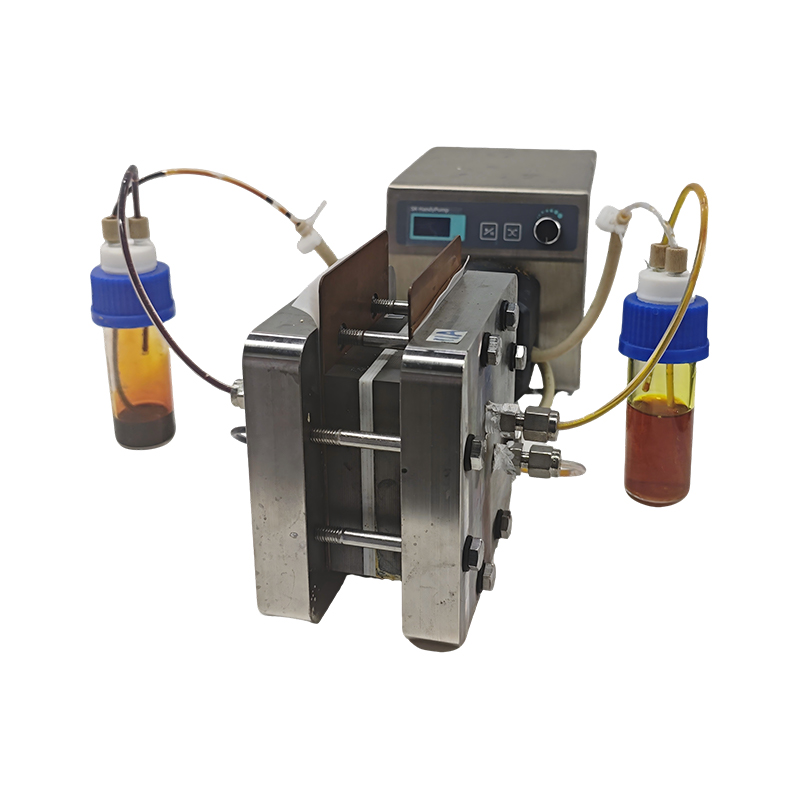
Laboratory Single Cell Battery in Real Testing Work
A laboratory single-cell battery is usually where everything starts before any real system is built. In practice, it’s not about scale at all. It’s more about checking whether the basic electrochemical behavior makes sense.
In a lab setting, engineers don’t treat it like a product. It’s closer to a testing object. One cell, controlled conditions, slow adjustments. Sometimes results look fine on paper but behave differently when small variables change, like temperature drift or electrolyte concentration.
What’s interesting is that lab work often feels repetitive. Charge, discharge, adjust, repeat. But those small cycles are where most early design decisions actually come from.
Search interest in Laboratory Single Cell Battery usually comes from research teams or early-stage product development groups trying to validate a concept before scaling up.
Laboratory-Scale Vanadium Flow Battery Cells in Research Stage
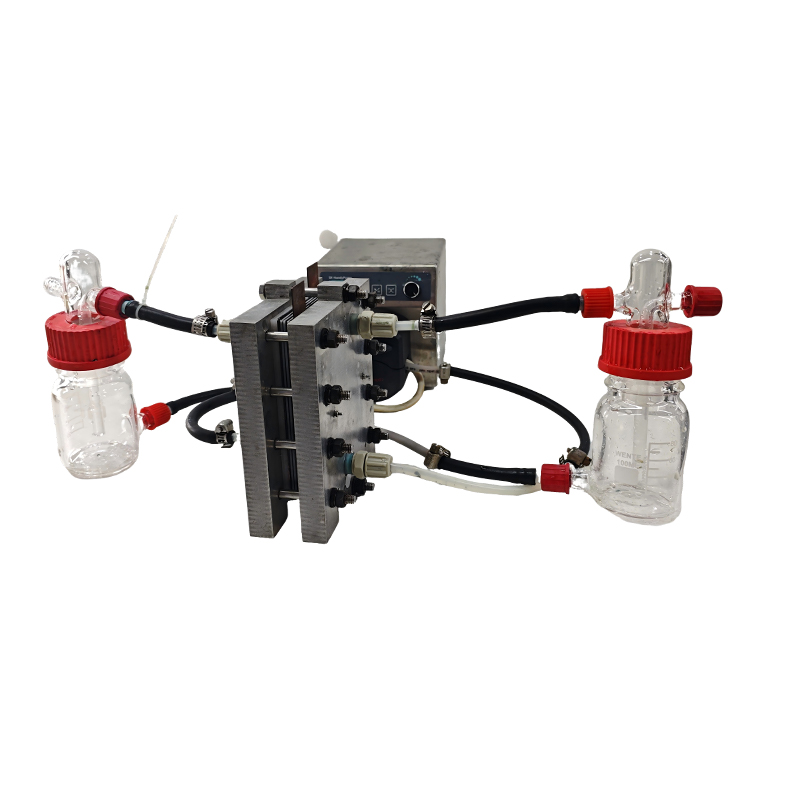
Laboratory-Scale Vanadium Flow Battery Cells are a step further in complexity compared to single-cell testing. Here, the system already starts to include flow behavior, not just static electrochemistry.
In real lab environments, these cells are connected with small tanks, pumps, and flow control lines. It’s still small-scale, but now the liquid movement becomes part of the test.
One thing researchers quickly notice is that flow stability matters as much as the cell itself. If the flow is uneven, results become inconsistent, even if the cell design is correct.
That’s why in many experiments, adjustments are made not only on the cell side but also on tubing length, pump speed, and circulation timing.
The keyword Laboratory-Scale Vanadium Flow Battery Cells often appears in academic or prototype development contexts, where the goal is not performance output but system behavior understanding.
High-Capacity Vanadium Flow Battery Stacks in Scaling Stage
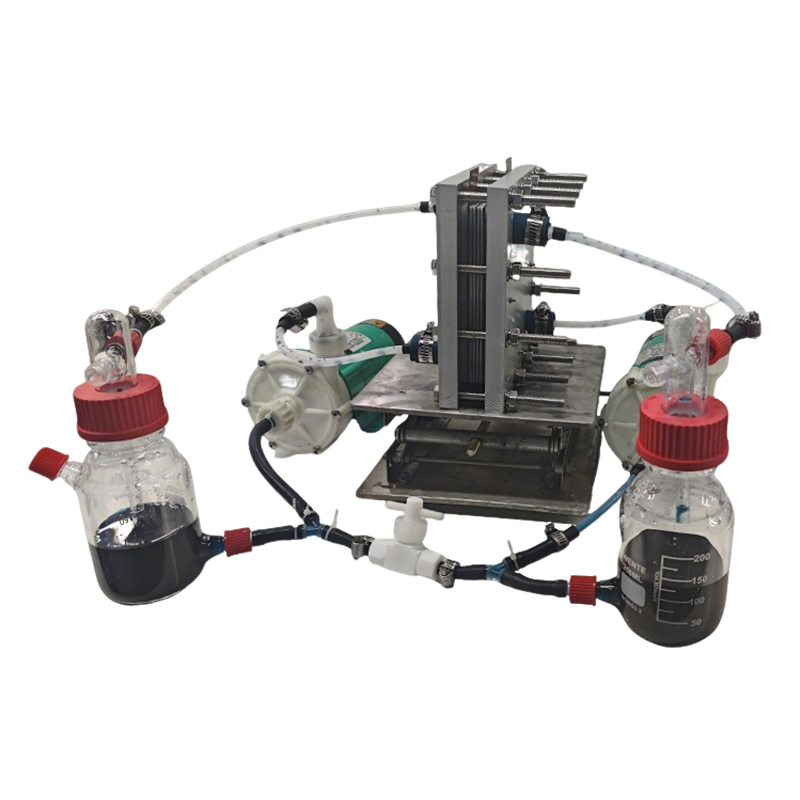
- A High-Capacity Vanadium Flow Battery Stacks setup moves away from lab curiosity and into early scaling direction. This is where things start to feel closer to real deployment, even if still under controlled conditions.
- Stacks at this level are no longer single units. They are assembled in larger groups, and the challenge shifts from “does it work” to “does it stay consistent when scaled.”
- In practice, scaling introduces new variables. Pressure distribution, flow uniformity, and thermal behavior all start to matter more than they did in small experiments.
- Engineers often find that a design that performs well in a lab cell doesn’t behave exactly the same once stacked. Not because the chemistry changes, but because physical distribution becomes more complex.
The keyword High-Capacity Vanadium Flow Battery Stacks is usually associated with pilot projects or pre-commercial system development, where scaling risk is being evaluated.
How Laboratory Testing Connects to Real Systems
These three concepts—Laboratory Single Cell Battery, Laboratory-Scale Vanadium Flow Battery Cells, and High-Capacity Vanadium Flow Battery Stacks—are not separate stages in practice. They are more like a continuous progression.
It usually starts with a single cell test, just to confirm basic reaction stability. Then it moves into small flow-based cells, where movement and circulation are introduced. After that, stacking begins, and scaling challenges appear.
What often gets underestimated is how many design changes happen between these stages. A parameter that looks stable in a lab cell can behave differently once multiple units are connected.
So in real engineering work, lab results are not treated as final answers. They are more like direction signals.
Practical View from Development Teams
From a development perspective, lab testing is less about performance numbers and more about understanding behavior patterns.
A single cell tells you if the chemistry works. A laboratory-scale flow cell shows whether circulation affects stability. A high-capacity stack begins to reveal whether the system can actually scale without losing consistency.
Each stage adds one more layer of uncertainty reduction.
And in many cases, decisions about moving forward are not based on one perfect result, but on whether the system behaves “predictably enough” across repeated tests.
That’s usually how real development progresses—step by step, not in one jump.

 English
 中文简体
中文简体