 English
 中文简体
中文简体
How Does a Large-Scale Vanadium Flow System Support Long Storage
How Does a Large-Scale Vanadium Flow System Support Long Storage
How Does a Large-Scale Vanadium Flow System Support Long Storage
How Does a Large-Scale Vanadium Flow System Support Long Storage
How Does a Large-Scale Vanadium Flow System Support Long Storage
How Does a Large-Scale Vanadium Flow System Support Long Storage
How Does a Large-Scale Vanadium Flow System Support Long Storage
How Does a Large-Scale Vanadium Flow System Support Long Storage
How Does a Large-Scale Vanadium Flow System Support Long Storage
How Does a Large-Scale Vanadium Flow System Support Long Storage
How Does a Large-Scale Vanadium Flow System Support Long Storage
How Does a Large-Scale Vanadium Flow System Support Long Storage
How Does a Large-Scale Vanadium Flow System Support Long Storage
How Does a Large-Scale Vanadium Flow System Support Long Storage
How Does a Large-Scale Vanadium Flow System Support Long Storage
How Does a Large-Scale Vanadium Flow System Support Long Storage

Product Category
NEW Category
How Does a Large-Scale Vanadium Flow System Support Long Storage
As electricity systems take in more power from variable renewable generation, the timing of electricity supply is becoming an important part of energy storage planning. Power may be available when demand is limited, while demand can continue after generation has changed. This creates a need for storage systems that can hold energy for extended periods and release it according to the operating needs of the site.
A Large-Scale Vanadium Flow System approaches this requirement through a separation between energy storage and power output. The amount of electrolyte can be configured around the required storage capacity, while the stack arrangement is related to the desired power level. Tanks, pumps, piping, temperature management, and control equipment then work together to keep the stored energy available for use.
Rather than treating long storage as a single equipment feature, system planning involves several connected considerations. System size, electrolyte volume, tank arrangement, stack configuration, flow conditions, operating temperature, and maintenance all influence how the installation behaves over an extended operating period.
How Is a Large-Scale Vanadium Flow System Sized for Long Storage
The starting point for a large storage project is not a particular component. It is the relationship between how much power needs to be delivered and how long that power needs to remain available.
Power describes the rate at which electricity can be delivered or absorbed. Energy capacity describes how much electricity can be stored. Storage duration connects the two. A system designed for a longer discharge period may require a different capacity arrangement from one intended to provide the same power for a shorter period.
This distinction is important when planning a Large-Scale Vanadium Flow System because the storage medium and power-producing section can be considered separately. Increasing the amount of electrolyte can support a change in stored energy capacity, while changing the stack arrangement can address a different power requirement.
| Planning factor | What it describes | Configuration consideration |
|---|---|---|
| Power requirement | Rate of electricity delivery | Stack arrangement |
| Energy capacity | Amount of stored energy | Electrolyte quantity |
| Storage duration | Period of energy delivery | Relationship between power and capacity |
| Operating pattern | How charging and discharge occur | Overall system configuration |
For a project that needs extended storage, the configuration therefore begins with the expected operating pattern. Charging periods, discharge periods, required power, and the frequency of operation all help define the system scale.
The physical layout also becomes part of the planning process. A larger capacity can require additional tank space and associated circulation equipment, while a higher power requirement can affect the stack arrangement. These choices should be considered together rather than treating capacity and power as interchangeable terms.
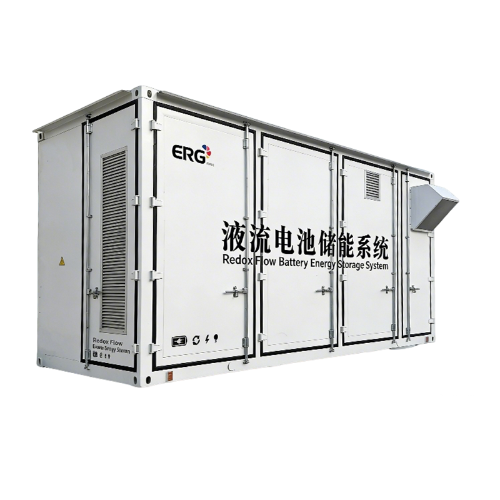
How Does Electrolyte Volume Affect Large-Scale Flow System Capacity
Once the overall storage requirement has been established, attention turns to the electrolyte. In a flow storage system, electrolyte acts as the medium that stores energy through its chemical state.
During charging and discharge, the electrolyte moves through the system and interacts with the stacks. Its quantity is therefore closely connected with the amount of energy that can be stored. More storage capacity generally requires an appropriate increase in the volume of electrolyte and the space available to contain it.
The relationship can be viewed in a straightforward way:
Electrolyte quantity → available storage capacity → potential storage duration
This does not mean that electrolyte volume alone determines the complete performance of an installation. The stack arrangement, operating conditions, circulation system, and control strategy also affect how stored energy is converted into electricity.
For long-duration applications, however, the storage medium becomes particularly important. A system intended to hold energy for an extended operating period needs sufficient electrolyte capacity to support the planned discharge pattern. If the storage requirement changes, the electrolyte configuration may need to change as well.
Large installations also need to consider how the electrolyte is distributed across the storage area. Tank capacity, pipe routing, pumping requirements, and access for inspection can influence the final physical arrangement.
This makes electrolyte planning both an energy-capacity issue and a system-layout issue. The amount stored cannot be separated completely from the way the storage medium is contained and circulated.
Why Do Tank Design and Electrolyte Mixing Matter at Large Scale
After electrolyte volume has been considered, the next question is how that liquid is stored and maintained within the system. Tanks provide the physical space for the electrolyte and form an important part of the circulation path.
At larger scale, tank design can affect more than storage space. Tank placement influences pipe routing, pump connections, maintenance access, and the distance between different parts of the installation. A practical arrangement needs to allow the electrolyte to move through the system without creating unnecessary complexity in the circulation network.
Electrolyte mixing is another consideration. During operation, the chemical state of the stored liquid needs to remain suitable for the intended operating process. Differences within the stored liquid can affect how consistently the system operates.
The circulation path can be viewed as a continuous loop:
Tank → pump → stack → return piping → tank
Each section has a specific role. The tank provides storage volume, the pump moves the liquid, the stack supports the energy conversion process, and the piping connects the components into a working circuit.
For a large-scale installation, these elements need to be considered as one system. A tank arrangement that works well for a small installation may require different planning when the storage volume and physical footprint increase.
How Do Stacks Determine the Power of a Large-Scale Flow System
While electrolyte quantity is associated with stored energy, the stacks are closely associated with power output. This creates one of the key distinctions in flow-based storage design.
A stack contains the electrochemical cells through which the electrolyte passes. During operation, chemical energy in the electrolyte is converted into electrical energy, or electricity is used to change the state of the electrolyte during charging.
The required power level influences how many stacks are needed and how they are arranged. Multiple stacks can operate as part of a larger system, allowing the power-producing section to be configured around the electrical requirement of the installation.
This separation between energy and power gives flow systems a different planning structure from systems in which increasing storage capacity and increasing power output are closely tied to the same physical unit.
| System aspect | Main relationship | Typical planning question |
|---|---|---|
| Electrolyte | Storage capacity | How much energy needs to be stored? |
| Stack arrangement | Power output | How much power needs to be delivered? |
| Tank system | Electrolyte storage | How should the storage medium be contained? |
| Circulation system | Operating process | How should electrolyte move through the system? |
For a Large-Scale Vanadium Flow System, the distinction matters when a project has a high power requirement but also needs extended storage. The two requirements can be evaluated separately before being combined into the complete system design.
How Does Electrolyte Flow Rate Affect Large-Scale System Performance
The tanks and stacks only function as part of a complete storage system when electrolyte can circulate between them. Flow conditions therefore become an important operating consideration.
During charging and discharge, pumps move electrolyte through the piping and into the stacks. The flow needs to correspond with the operating state of the system. If circulation is not properly matched to the operating requirement, the electrochemical process may not proceed in the intended manner.
Flow rate is affected by several parts of the system, including pump operation, pipe arrangement, system resistance, and stack requirements. These factors interact, so flow control cannot be considered independently from the rest of the circulation network.
A suitable operating condition involves maintaining a controlled movement of electrolyte while avoiding unnecessary circulation. Too little flow can affect the conditions inside the stack, while excessive circulation can increase the work required by the pumping system.
Control systems therefore monitor operating conditions and adjust circulation according to the required state. The objective is not simply to move as much electrolyte as possible, but to maintain a flow condition that supports the intended charging or discharge process.
At large scale, this becomes increasingly relevant because a longer piping network and larger electrolyte volume can introduce additional operating considerations. Consistent circulation helps connect the storage capacity in the tanks with the power conversion process in the stacks.
How Does Temperature Management Affect Large-Scale Flow Systems
Temperature is another operating condition that can influence the behavior of a flow storage system. The electrolyte and electrochemical components operate within a particular range of conditions, and changes in temperature can affect the way the system performs.
Ambient conditions can vary around a storage installation. At the same time, charging, discharge, pumping, and electrochemical reactions can contribute to changes in the internal thermal condition.
Temperature management therefore involves monitoring the system and keeping operating conditions within an appropriate range. It can involve heat transfer equipment, circulation adjustments, environmental controls, or other methods suited to the installation.
The importance of temperature control becomes more noticeable when a system operates for long periods. Extended charging and discharge create a continuous operating cycle, so temperature changes need to be considered alongside electrolyte circulation and stack operation.
Temperature also interacts with other parts of the system. Changes in electrolyte condition can influence circulation, while changes in circulation can affect how heat is distributed. The stack and tank areas may also experience different environmental conditions depending on their location and physical arrangement.
For this reason, temperature management should be treated as part of overall system operation rather than as an isolated auxiliary function.
What Maintenance Issues Can Affect Large-Scale Flow System Operation
Long-term operation depends not only on the initial configuration but also on the condition of the equipment over time. Because flow storage systems contain tanks, pumps, piping, stacks, electrical equipment, and electrolyte, maintenance involves several connected areas.
Routine inspection can help identify changes before they develop into broader operating problems. The focus should be on the condition of the components and whether the system continues to behave as expected.
Several areas commonly require attention:
- Tanks: Check for visible changes, connections, and conditions that could affect electrolyte containment.
- Pumps: Monitor operating behavior and circulation conditions.
- Piping: Inspect connections and look for signs of abnormal flow or leakage.
- Stacks: Observe operating conditions and changes in electrical performance.
- Electrolyte: Monitor its operating state and circulation behavior.
- Temperature: Check for unexpected changes during charging and discharge.
- System output: Compare operating behavior with the expected charging and discharge pattern.
Maintenance is closely connected with system monitoring. An unusual change in output may not originate from the electrical section itself. It could be associated with electrolyte circulation, temperature, pumping, or another part of the operating loop.
This is why maintenance for a large installation benefits from looking at relationships between components. Checking individual parts remains necessary, but the operating condition of the entire circulation and conversion process provides additional context.
Where Can Large-Scale Vanadium Flow Systems Fit Long Storage Needs
The practical role of long-duration storage becomes clearer when electricity generation and electricity demand do not occur at the same time. Renewable generation can vary with environmental conditions, while demand follows a separate pattern. Storage provides a way to shift available electricity from one period to another.
A Large-Scale Vanadium Flow System can be considered where the storage requirement involves extended charging and discharge periods rather than short-duration power delivery alone.
One example is renewable generation. Electricity produced during a period of available generation can be stored and later released when generation decreases or demand changes. The storage system effectively separates the time of electricity production from the time of electricity use.
Grid-side applications can present a similar requirement. A storage installation may need to absorb electricity during one operating period and provide power during another. In such cases, the relationship between power capacity and storage capacity becomes central to system planning.
The distinction can be expressed through several questions:
- How much electricity needs to be stored?
- How long does the stored energy need to remain available?
- How much power is required during discharge?
- How frequently will charging and discharge occur?
- How should the tanks, stacks, and circulation equipment fit the site?
There is no single configuration that applies to every long-storage project. A system intended for extended energy shifting may have different requirements from one designed around another grid operating pattern.
The value of flow-based storage planning therefore lies in matching the physical configuration with the actual duty of the installation. Electrolyte volume addresses the energy side, stacks address the power side, while tanks, circulation, temperature management, and maintenance support continued operation.
For long-storage needs, these elements form a connected system rather than separate equipment choices.
PREV:How Is a Containerized Battery Energy Storage System Evolving
NEXT:How Does a Grid-Side Energy Storage System Support the Grid
NEXT:How Does a Grid-Side Energy Storage System Support the Grid
Interested in cooperation or have questions?

Product
Content
+86-576-83200088
No. 2, Yongxing Road, Hairun Street, Sanmen County, Zhejiang Province
Copyright © Zhejiang ERG Energy LLC. All Rights Reserved.

Customized Flow Battery ODM Services for Global Energy Storage Market