 English
 中文简体
中文简体
How Does a Grid-Side Energy Storage System Support the Grid
How Does a Grid-Side Energy Storage System Support the Grid
How Does a Grid-Side Energy Storage System Support the Grid
How Does a Grid-Side Energy Storage System Support the Grid
How Does a Grid-Side Energy Storage System Support the Grid
How Does a Grid-Side Energy Storage System Support the Grid
How Does a Grid-Side Energy Storage System Support the Grid
How Does a Grid-Side Energy Storage System Support the Grid
How Does a Grid-Side Energy Storage System Support the Grid
How Does a Grid-Side Energy Storage System Support the Grid
How Does a Grid-Side Energy Storage System Support the Grid
How Does a Grid-Side Energy Storage System Support the Grid
How Does a Grid-Side Energy Storage System Support the Grid
How Does a Grid-Side Energy Storage System Support the Grid
How Does a Grid-Side Energy Storage System Support the Grid
How Does a Grid-Side Energy Storage System Support the Grid

Product Category
NEW Category
How Does a Grid-Side Energy Storage System Support the Grid
The power grid has to deal with changing demand throughout the day. Electricity use can rise quickly in some periods and fall back later. Generation does not always move in the same direction, either. Solar output changes with available sunlight, for example, while wind generation can shift with weather conditions.
That leaves grid operators with a practical issue: electricity needs to be available when it is needed, even when generation and demand do not line up naturally.
A Grid-Side Energy Storage System gives the grid another way to handle this mismatch. Electricity can be stored when conditions allow and released when additional power is needed. The same system can also adjust its operating state when the grid experiences changes in frequency, voltage, or power flow.
Its role depends heavily on how it is operated. A battery sitting at a fixed state cannot respond to changing grid conditions in the same way as one that is managed according to demand and available supply. Charging decisions, discharge timing, equipment coordination, and operating conditions all affect how storage fits into the wider power network.
Why Is Grid-Side Energy Storage Used During Peak Demand
Electricity demand does not rise evenly. There are periods when homes, commercial buildings, factories, and other users draw more power at the same time. The grid then has to accommodate a larger load within a relatively short period.
Energy storage can help during these conditions by releasing electricity that was stored earlier. Instead of relying entirely on power generation at the moment demand rises, part of the required supply can come from the battery.
The timing matters. If the battery has already discharged before demand reaches its higher level, it cannot provide the same support. For that reason, storage operation often involves keeping some available energy for periods when the grid is expected to need it.
Charging and discharge decisions can be influenced by:
- Changes in electricity demand
- Available energy in the battery
- Current grid conditions
- Expected operating requirements
- The amount of power that needs to be exchanged
Peak-demand operation is therefore more than simply switching a battery on during a busy period. The system has to be ready beforehand, and its operating state needs to match the conditions on the grid.
How Does Grid-Side Energy Storage Respond to Frequency Changes
Frequency provides an indication of the balance between electricity generation and consumption. When the two sides do not match closely, frequency can move away from its normal operating condition.
Storage can respond by changing its power exchange with the grid. If additional electricity is needed, the battery can move toward discharge. If there is excess electricity available, charging may be appropriate instead.
The response is different from ordinary peak-demand operation. A high-demand period may last for some time and can often be anticipated. Frequency changes can happen as the balance of the grid shifts, requiring the storage system to adjust its output without waiting for a long operating window.
That puts some importance on response behavior. The system needs to receive an operating instruction, change its power flow, and do so while remaining within the permitted operating condition of the battery and associated equipment.
Available stored energy also matters. A battery that has little energy left has less room to support the grid through further discharge. Conversely, a battery with insufficient available capacity may have limited ability to absorb additional electricity through charging.
Frequency support is therefore closely tied to the way the storage system is managed before a grid disturbance or change occurs.
How Can Grid-Side Energy Storage Help Manage Voltage
Voltage is affected by conditions within the electrical network, including changes in power flow and local demand. A change in electricity consumption at one part of the network does not necessarily produce the same effect somewhere else.
Storage can take part in voltage management through its connection with the grid. Its power conversion equipment controls the exchange of electrical power between the battery and the network, allowing the system to respond to changing electrical conditions.
Voltage support and frequency support should not be treated as the same task. Frequency is associated with the overall balance between generation and consumption, while voltage can be influenced by conditions at a particular part of the network.
This distinction becomes relevant when storage is operated under changing grid conditions. The system may need to respond to a voltage issue without using up energy that could be needed for another purpose later.
Good operation therefore requires attention to location, power flow, battery condition, and the requirements of the connected grid. The battery is only one part of the process.
How Does Grid-Side Energy Storage Handle Renewable Power Fluctuations
Renewable generation can change without following electricity demand. Solar generation rises and falls with available sunlight. Wind generation can change as wind conditions shift. Demand may remain relatively steady during the same period.
Storage can provide some separation between when electricity is generated and when it is needed.
When renewable generation produces more electricity than the grid requires at that moment, available power can be directed toward charging. Later, if renewable output falls while electricity demand remains, stored energy can be released according to grid requirements.
The idea sounds simple, but timing is important. Charging too early can reduce the room available for later generation. Discharging too soon can leave less stored energy for a period when the grid actually needs support.
A storage system may therefore operate through several different states as conditions change:
| Grid or generation condition | Possible storage action | Reason for the action |
|---|---|---|
| Renewable output rises | Charge | Store available electrical energy |
| Renewable output falls | Discharge when required | Provide additional available supply |
| Grid demand changes | Adjust power exchange | Follow changing load conditions |
| Available supply and demand move apart | Change operating direction | Help maintain the balance |
The storage system does not make renewable generation constant. Instead, it gives the grid some flexibility in deciding when stored electricity is used.
How Does a Grid-Side Energy Storage System Manage Charging and Discharging
Charging and discharging may look like simple battery functions, but grid-connected operation involves more decisions than plugging a battery in and waiting for it to fill.
During charging, electricity moves from the grid toward the battery. During discharge, the direction is reversed and stored energy is delivered toward the grid. The system can also remain idle when neither action is required.
The difficult part is often deciding when to change between these states.
Suppose demand is currently low but expected to rise later. Charging may make sense while the grid has available supply. If the battery is discharged during the low-demand period instead, less energy will remain for the later increase in demand.
The same issue appears with renewable generation. A period of high renewable output may create a useful charging opportunity, but available battery capacity has to be considered before that opportunity arrives.
Operating decisions can take into account:
- Current load conditions
- Available battery energy
- Expected changes in demand
- Renewable generation conditions
- Equipment operating limits
The battery does not need to be charging or discharging continuously. In many situations, waiting is part of the operating strategy.
How Do the PCS and Battery Work Together in Grid-Side Storage
The battery stores energy, while the power conversion equipment manages the electrical exchange between the battery and the grid. The two components have different jobs, and both are needed for grid-connected storage.
Electricity coming from the grid cannot simply enter the battery in the same form. During charging, the conversion equipment changes the electrical characteristics so that energy can be stored by the battery. During discharge, the stored energy passes through the same conversion stage before reaching the grid.
A simplified view looks like this:
Charging:
Grid → power conversion equipment → battery
Discharging:
Battery → power conversion equipment → grid
The relationship between the two sides affects how the system operates. Having a large amount of stored energy does not automatically mean that the system can exchange that energy at any desired rate. The conversion equipment has its own operating limits, while the battery has its own conditions for charging and discharge.
Battery condition also changes over time. As cells age or operate under different temperatures, the available energy and acceptable operating range can change.
For that reason, battery capacity and power exchange capability need to be considered together rather than treated as separate specifications.
How Does an EMS Coordinate Grid-Side Energy Storage Operations
A grid-connected storage system has several pieces of equipment working at the same time. Someone, or something, has to coordinate their actions.
An energy management system can use information from the battery, power conversion equipment, grid connection, and monitoring functions to determine what the storage system should do under current conditions.
The decision may be straightforward when the grid clearly needs additional power. In other situations, there can be competing requirements. The battery may be able to discharge, for example, but preserving some stored energy may make more sense if another grid requirement is expected later.
The management system can consider information such as:
| Operating condition | Control consideration |
|---|---|
| Battery charging | Whether the system can accept available power |
| Battery discharge | Whether stored energy should be released |
| Changing grid conditions | Whether output needs adjustment |
| Battery condition | Whether charging or discharge should be limited |
| Equipment alarm | Whether normal operation needs to change |
Communication between the different parts of the system is important here. If information is delayed, missing, or inconsistent, the control process may not behave as intended.
The management layer is therefore closely connected with actual grid operation. It turns information about demand, battery condition, and equipment status into operating actions.
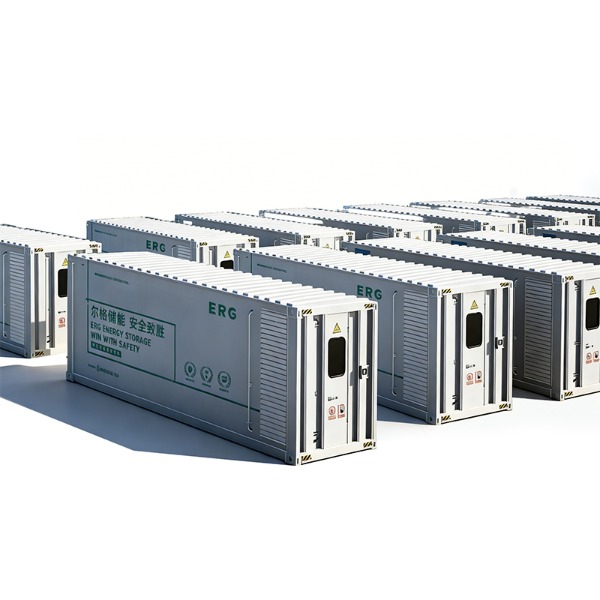
What Should Be Considered for Reliable Grid-Side Energy Storage
Long-term operation depends on conditions inside and outside the battery enclosure. Temperature, electrical equipment, battery condition, protection functions, monitoring, and maintenance all deserve attention.
Temperature is one practical concern. Batteries do not behave exactly the same way under all thermal conditions. A significant temperature difference between battery units can also indicate that parts of the system are operating differently. Cooling and temperature monitoring consequently form part of routine operation rather than being treated as separate concerns.
Battery condition needs regular attention as well. Individual cells can age at different rates, and changes in one part of a battery system can affect the operating range of the wider system.
Monitoring helps operators see these changes. Abnormal temperature, unusual power behavior, battery condition changes, and equipment alarms can provide useful indications that operating conditions have shifted.
Protection is another part of normal operation. When an electrical or battery condition moves outside the permitted range, the system needs to respond in a controlled manner. Depending on the situation, that may involve limiting power, changing the operating state, or stopping part of the system.
Maintenance also benefits from looking at actual operating conditions rather than treating every installation in exactly the same way. A system exposed to frequent changes in load and operating state may show different maintenance needs from one with a relatively steady operating pattern.
Taken together, these factors determine how consistently storage can remain available to the grid. The battery, conversion equipment, control functions, monitoring, and protection system all have to work as parts of the same operating process.
PREV:How Does a Large-Scale Vanadium Flow System Support Long Storage
NEXT:How Can a Vanadium Redox Flow Battery Supplier Meet Project Needs
NEXT:How Can a Vanadium Redox Flow Battery Supplier Meet Project Needs
Interested in cooperation or have questions?

Product
Content
+86-576-83200088
No. 2, Yongxing Road, Hairun Street, Sanmen County, Zhejiang Province
Copyright © Zhejiang ERG Energy LLC. All Rights Reserved.

Customized Flow Battery ODM Services for Global Energy Storage Market