 English
 中文简体
中文简体
How Is a Containerized Battery Energy Storage System Evolving
How Is a Containerized Battery Energy Storage System Evolving
How Is a Containerized Battery Energy Storage System Evolving
How Is a Containerized Battery Energy Storage System Evolving
How Is a Containerized Battery Energy Storage System Evolving
How Is a Containerized Battery Energy Storage System Evolving
How Is a Containerized Battery Energy Storage System Evolving
How Is a Containerized Battery Energy Storage System Evolving
How Is a Containerized Battery Energy Storage System Evolving
How Is a Containerized Battery Energy Storage System Evolving
How Is a Containerized Battery Energy Storage System Evolving
How Is a Containerized Battery Energy Storage System Evolving
How Is a Containerized Battery Energy Storage System Evolving
How Is a Containerized Battery Energy Storage System Evolving
How Is a Containerized Battery Energy Storage System Evolving
How Is a Containerized Battery Energy Storage System Evolving

Product Category
NEW Category
How Is a Containerized Battery Energy Storage System Evolving
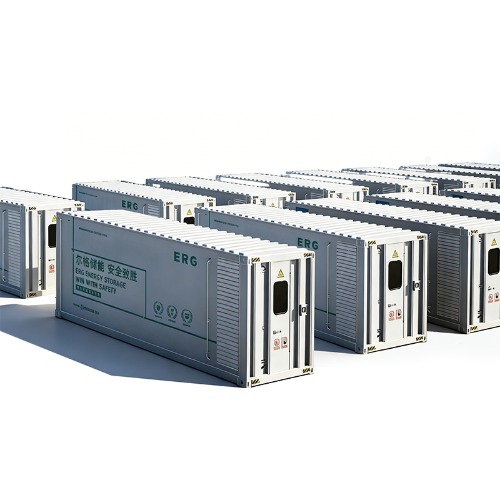
Energy storage is becoming more closely connected with the way electricity is generated, consumed, and managed at different sites. As power needs become less predictable, storage projects are being planned around actual load patterns rather than a single standard configuration. A container-based format provides a practical way to bring batteries, power equipment, cooling equipment, monitoring functions, and safety measures into one coordinated site arrangement.
The role of a Containerized Battery Energy Storage System therefore extends beyond storing electricity for later use. Its configuration can affect how a facility handles changing loads, how renewable power is used, and how operators respond to abnormal conditions. Site preparation, temperature control, maintenance, and equipment coordination also become part of the planning process.
These changes are influencing how storage projects are designed and operated. Instead of viewing the container as an isolated piece of equipment, project teams increasingly need to consider the relationship between power demand, operating conditions, control functions, site requirements, and long-term maintenance.
How Containerized Battery Storage Is Being Configured for Different Power Needs
Battery storage requirements vary considerably from one site to another. A facility with a steady electrical load has different needs from a location where demand rises sharply for short periods. A site connected to renewable generation may also require a different operating pattern from one that mainly uses storage for backup power.
Capacity and output power are therefore related but separate considerations. Capacity indicates how much energy can be stored, while output capability affects how much power can be supplied at a particular time. Looking at only one of these factors can result in an unsuitable configuration.
The load profile is an important starting point. Operators can examine when electricity demand rises, how long higher demand lasts, and whether the load changes gradually or suddenly. This information can help determine how storage should be configured around the site's normal operating pattern.
Other considerations can include:
- Expected charging and discharging frequency
- Duration of required power support
- Available installation space
- Connection requirements at the site
- Operating conditions throughout the year
- Potential changes in electricity demand
A Containerized Battery Energy Storage System can be configured around these conditions instead of being selected only by physical container size. This approach also makes it easier to consider future changes in site loads without treating the storage unit as a fixed solution.
| Planning factor | Why it matters |
|---|---|
| Energy capacity | Determines how much stored energy can be used |
| Output power | Affects the amount of power available at a given time |
| Load pattern | Shows when storage is likely to be needed |
| Operating environment | Influences cooling and equipment conditions |
| Available space | Affects placement and site arrangement |
How BMS, PCS and EMS Shape Containerized Battery Storage Operation
Once the storage configuration has been established, the different control functions need to work together. Battery management, power conversion, and energy management each address a different part of system operation.
Battery management monitors the condition of the battery and helps keep operation within an appropriate range. Power conversion equipment manages the movement of electricity between the battery and the connected electrical system. Energy management coordinates when electricity should be stored, released, or directed toward a particular load.
The relationship between these functions becomes important when operating conditions change. For example, a sudden increase in site demand may require the storage system to respond while maintaining suitable battery conditions. When renewable generation changes, the control system may also need to adjust charging or discharging activity.
Rather than treating these functions separately, system planning needs to account for how they exchange information and respond to the same operating conditions.
Clear coordination can help operators monitor:
- Battery condition
- Charging and discharging status
- Power flow
- Equipment alarms
- Changes in site demand
This coordination is one reason modern storage projects involve more than simply selecting batteries. The way equipment communicates and responds can influence how the whole installation behaves during everyday operation.
How Thermal Management Affects Containerized Battery Energy Storage
Temperature is closely connected with battery operation. Both excessive heat and unsuitable cold conditions can affect how batteries perform and how the surrounding equipment operates. For container-based installations, managing the internal environment becomes particularly important because many components operate within an enclosed space.
Cooling requirements depend on the battery configuration, operating pattern, surrounding environment, and equipment arrangement. Some installations use air-based cooling, while others use liquid-based approaches. The choice depends on the operating conditions and the requirements of the system.
Temperature management also needs to consider uneven conditions inside the container. Heat may build up differently depending on equipment placement, airflow, external weather, and operating load. Monitoring temperature at relevant points can therefore provide useful information for ongoing operation.
A suitable thermal management approach should address several practical questions:
- How will heat generated during operation be removed?
- How will the system respond when outdoor temperatures change?
- How will airflow or cooling reach the required equipment?
- How will operators identify abnormal temperature changes?
- How will cooling equipment itself be inspected and maintained?
For a Containerized Battery Energy Storage System, temperature control is not simply an auxiliary function. It forms part of the operating environment that supports consistent battery use and equipment protection.
How Containerized Battery Storage Works With Solar and Grid Power
Storage becomes more useful when it is considered together with the electricity sources and loads around it. Solar generation, grid electricity, and on-site demand can change at different times, creating periods when available power does not match immediate consumption.
Solar generation, for example, can produce more electricity than a site needs at a particular moment. Storage can provide a way to retain part of that available energy for later use. When solar output changes, stored electricity can be released according to the operating requirements of the site.
Grid-connected facilities may use storage differently. Electricity can be stored during suitable operating periods and used when site demand changes. The actual operating strategy depends on the site's electrical arrangement, energy requirements, and applicable connection conditions.
| Energy condition | Possible storage role |
|---|---|
| Solar generation exceeds local demand | Store available electricity for later use |
| Site demand increases | Supply part of the required power |
| Solar output changes | Adjust charging or discharging |
| Grid supply changes | Provide a controlled source of stored energy |
| Electricity demand varies | Shift stored energy toward periods of greater need |
The interaction between these sources means that storage is increasingly considered as part of an energy management arrangement rather than as a standalone battery unit. A Containerized Battery Energy Storage System can sit between generation, the grid, and site loads, with its operating behavior adjusted according to changing conditions.
What Safety Measures Matter in a Containerized Battery Energy Storage System
Safety planning needs to cover both normal operation and abnormal conditions. Batteries can produce heat during operation, and unusual temperature changes, electrical faults, or damaged components may require a rapid response.
Monitoring is therefore an important part of the system. Temperature, battery condition, electrical status, and other operating signals can be observed so that abnormal conditions can be identified. Alarms can then notify operators when a condition requires attention.
Fire protection is another consideration. The exact arrangement depends on the battery technology, container design, site requirements, and applicable safety rules. Detection and suppression measures should be considered together with emergency access and shutdown procedures.
Site operators also need clear procedures for abnormal situations. These can cover:
- Equipment alarms
- Unexpected temperature changes
- Electrical faults
- Emergency shutdown
- Restricted access during abnormal conditions
- Inspection after an unusual operating event
Safety should not be treated as a separate feature added after the system has been designed. Container layout, monitoring, cooling, electrical connections, and emergency procedures all influence how risks are managed during operation.
What Should Be Considered Before Installing a Battery Storage Container
Installation begins before the container reaches the site. Ground conditions, access, equipment placement, electrical connections, and maintenance space all need to be considered during site planning.
The physical location should provide suitable space around the equipment. Access routes may need to accommodate delivery vehicles and lifting equipment, while the final position should allow technicians to reach relevant components for inspection and service.
Electrical planning is also important. The connection between the storage system and the site's electrical equipment needs to be considered alongside the expected operating pattern. Communication connections, monitoring equipment, and emergency controls may also require space and suitable routing.
A practical site review can cover:
- Ground and foundation conditions
- Delivery and lifting access
- Clearance around the container
- Electrical connection arrangements
- Cooling and ventilation requirements
- Drainage and weather exposure
- Maintenance access
- Emergency access
For projects using a Containerized Battery Energy Storage System, early site planning can reduce conflicts between equipment placement and later maintenance requirements. A container may be compact compared with a larger site installation, but the surrounding working area remains part of the overall project.
How Maintenance Practices Affect Containerized Battery Storage Performance
Long-term operation depends partly on how consistently equipment is inspected and maintained. A storage container contains several systems that work together, so a problem in one area can affect the operation of another.
Battery condition is one area to monitor. Changes in cell voltage, temperature, charging behavior, or available capacity can provide information about the condition of the battery. These observations are more useful when they are reviewed over time rather than treated as isolated readings.
Cooling equipment also requires attention. Filters, fans, pumps, sensors, and related components may need inspection depending on the cooling arrangement. Electrical connections, control equipment, and safety devices should also be checked according to the maintenance plan.
Maintenance records can help operators identify changes that might otherwise be overlooked. A recurring alarm, unusual temperature pattern, or change in charging behavior may provide an early indication that further inspection is needed.
Good maintenance planning should therefore connect three areas:
Routine inspection → operating data → corrective action
This creates a clearer relationship between what operators observe and how they respond. For a Containerized Battery Energy Storage System, maintenance is not limited to checking the battery itself. The surrounding electrical, cooling, control, and safety equipment also forms part of the operating system.
Where Containerized Battery Energy Storage Is Finding Practical Applications
The growing range of storage applications reflects the different ways electricity is consumed and generated. The same container format can support different operating objectives depending on the site.
Industrial facilities may use storage alongside changing production loads. Commercial buildings can integrate storage with building electricity demand and on-site generation. Renewable energy projects may use storage to shift available electricity toward periods when it is more useful.
Other applications include electric vehicle charging facilities, microgrids, and remote industrial locations. In each case, the required configuration depends on the local electrical conditions rather than simply the size of the storage container.
For example, an industrial site with short periods of high demand may focus on output capability. A renewable energy site may place greater attention on charging patterns and energy availability. A remote facility may have different requirements because grid access is limited or unavailable.
This range of applications is changing the way containerized storage is viewed within energy projects. The container provides the physical platform, but its practical role is determined by the relationship between stored energy, power demand, generation sources, operating controls, safety arrangements, site conditions, and maintenance practices.
As electricity systems become more variable, these factors are likely to remain closely connected. The development of container-based storage is therefore not simply about putting more batteries into a container. It is about adapting the configuration and operation of stored energy to the conditions of each site.
Interested in cooperation or have questions?

Product
Content
+86-576-83200088
No. 2, Yongxing Road, Hairun Street, Sanmen County, Zhejiang Province
Copyright © Zhejiang ERG Energy LLC. All Rights Reserved.

Customized Flow Battery ODM Services for Global Energy Storage Market