 English
 中文简体
中文简体
How Reliable Is a Backup Power Supply in Modern Systems?
How Reliable Is a Backup Power Supply in Modern Systems?
How Reliable Is a Backup Power Supply in Modern Systems?
How Reliable Is a Backup Power Supply in Modern Systems?
How Reliable Is a Backup Power Supply in Modern Systems?
How Reliable Is a Backup Power Supply in Modern Systems?
How Reliable Is a Backup Power Supply in Modern Systems?
How Reliable Is a Backup Power Supply in Modern Systems?
How Reliable Is a Backup Power Supply in Modern Systems?
How Reliable Is a Backup Power Supply in Modern Systems?
How Reliable Is a Backup Power Supply in Modern Systems?
How Reliable Is a Backup Power Supply in Modern Systems?
How Reliable Is a Backup Power Supply in Modern Systems?
How Reliable Is a Backup Power Supply in Modern Systems?
How Reliable Is a Backup Power Supply in Modern Systems?
How Reliable Is a Backup Power Supply in Modern Systems?

Product Category
NEW Category
How Reliable Is a Backup Power Supply in Modern Systems?
Backup Power Supply Runtime During Outages
A Backup Power Supply is designed to provide temporary electricity when the main grid becomes unavailable. The duration it can operate depends largely on the stored energy capacity and the amount of load connected to the system. In practical use, runtime may range from short intervals supporting essential devices to extended periods covering broader energy demands.
When only critical equipment is powered, such as communication tools, control units, or lighting, the stored energy is consumed at a slower rate. However, when multiple high-demand devices are connected, the discharge rate increases. This directly influences how long the Backup Power Supply can continue delivering electricity.
Energy storage size, inverter efficiency, and system configuration all contribute to runtime behavior. Systems designed with scalable storage allow users to adjust capacity according to usage scenarios, which helps align performance with operational expectations.
Maintenance Requirements for Backup Systems
Regular maintenance plays an important role in keeping a Backup Power Supply operating consistently over time. Components such as batteries, connectors, and control modules require periodic inspection to remain in a stable working condition.
Typical maintenance activities include monitoring battery voltage, checking cable connections, and reviewing system logs for irregular patterns. Environmental conditions such as temperature and humidity also influence system behavior, so ventilation and placement should be considered during installation.
Routine testing under simulated outage conditions can help verify system readiness. This process allows users to observe how the system responds under load transitions and whether it delivers energy as expected. Maintenance schedules vary depending on system type, but consistent monitoring supports stable operation and reduces unexpected interruptions.
Independent Power Capacity Design Principles
Independent Power/Capacity Design refers to an architecture where power generation and energy storage operate as separate yet connected components. This approach allows flexibility in system expansion and load distribution.
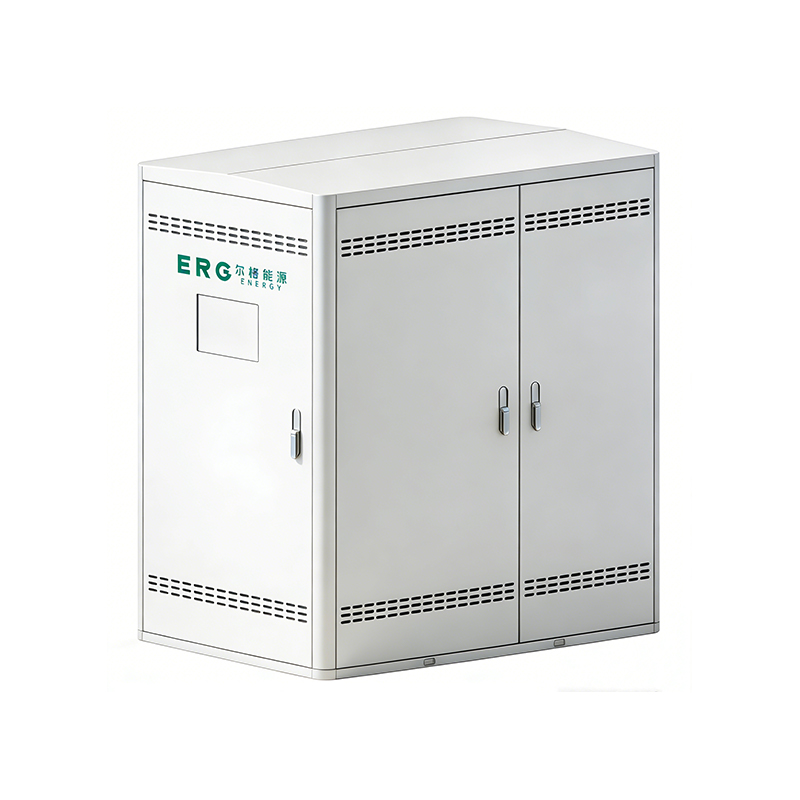
In such systems, energy can be stored from multiple sources, including renewable inputs or grid charging. The stored energy is then distributed according to demand without being restricted to a single generation pathway. This separation provides adaptability in both small-scale and large-scale installations.
One of the key advantages of this design is the ability to scale capacity independently. For example, additional storage units can be added without modifying the entire system structure. This makes it suitable for environments where energy demand may change over time.
Load management is also easier in independent configurations. By prioritizing essential loads and allocating energy accordingly, the system can maintain balanced operation across different usage scenarios.
Assessing Reliability in Independent Power Systems
Evaluating whether an independent power system is operating reliably involves observing several performance indicators. Monitoring tools integrated into modern systems provide real-time insights into energy flow, storage status, and output stability.
Stable voltage output is one of the key indicators of proper operation. Fluctuations may indicate load imbalance or configuration issues. Consistent charging and discharging behavior also reflects system stability, as irregular cycles may point to underlying inefficiencies.
Another factor is system response during transitions, such as switching between grid power and stored energy. Smooth transitions without noticeable interruption suggest that control mechanisms are functioning properly. Monitoring these aspects over time helps identify trends and supports informed adjustments when needed.
Understanding Zero-Degradation Energy Storage Battery
A Zero-Degradation Energy Storage Battery is a concept that aims to maintain consistent capacity over extended cycles of use. Traditional batteries typically experience gradual capacity loss due to chemical changes that occur during repeated charging and discharging.
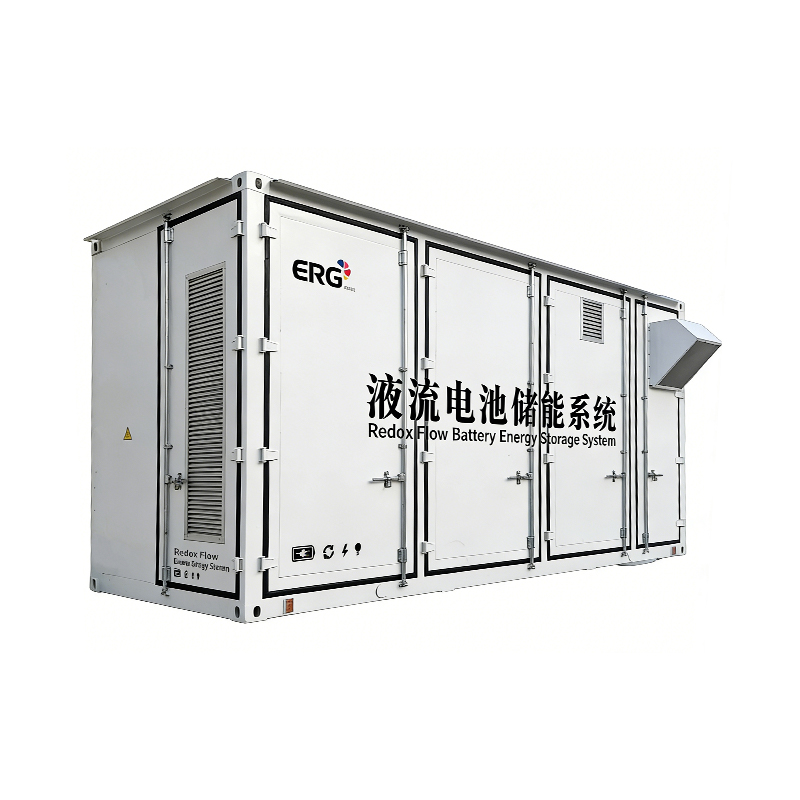
In contrast, zero-degradation concepts focus on reducing these effects through alternative chemistries, system structures, or material improvements. One approach involves separating energy storage from electrochemical reactions that degrade over time, allowing for more stable cycling behavior.
Flow-based systems are often associated with this concept, as they store energy in liquid electrolytes rather than solid electrode materials. This structure allows energy capacity and power output to be managed independently, which contributes to more stable long-term performance characteristics.
Do Zero-Degradation Batteries Exist in Practice
The idea of a Zero-Degradation Energy Storage Battery represents an ideal condition rather than a fully absolute reality. In real-world applications, all energy storage systems experience some level of efficiency variation or gradual change over time.
However, certain technologies demonstrate very slow rates of capacity loss compared to conventional battery systems. These systems are engineered to maintain performance across a large number of cycles with minimal variation in output.
Factors such as temperature, usage patterns, and system configuration still influence performance. While degradation cannot be entirely eliminated, it can be reduced significantly through design improvements and proper system management. As a result, these batteries are often used in applications where long-term consistency is an important requirement.
Integration of Backup Power and Storage Technologies
Modern energy systems often combine a Backup Power Supply with advanced storage solutions to support continuous operation during outages. When integrated with Independent Power/Capacity Design, the system gains flexibility in scaling and configuration.
This combination allows energy to be stored during periods of availability and released when demand increases or when grid power is unavailable. The separation of storage and generation components enables more controlled energy distribution across different conditions.
In systems that incorporate a Zero-Degradation Energy Storage Battery, performance consistency can be maintained over extended operational periods. This reduces variability in output and supports applications that require a stable energy supply for sensitive equipment.
Practical Factors Affecting System Performance
Several practical considerations influence how a backup and storage system performs in real-world environments. These include load size, environmental conditions, system configuration, and usage patterns.
- Load size determines how quickly stored energy is consumed
- Environmental conditions affect battery efficiency and system behavior
- System configuration influences how energy is distributed
- Usage patterns impact charging and discharging cycles
By understanding these factors, users can better align system design with operational requirements. Adjustments in load management and system setup can help maintain consistent performance across varying conditions.
Monitoring and Long-Term Energy Management
Continuous monitoring supports the effective long-term operation of a Backup Power Supply system. Digital interfaces and control platforms allow users to track energy levels, system status, and performance trends.
Over time, collected data can reveal patterns in energy consumption and storage behavior. These insights help identify opportunities for system optimization, such as adjusting load priorities or expanding storage capacity.
In independent power configurations, monitoring becomes even more important, as multiple components interact within the system. Observing how each part contributes to overall performance allows for better coordination and efficient energy distribution.
Through structured monitoring and periodic evaluation, energy systems can maintain stable operation and adapt to evolving requirements without major structural changes.
Environmental and Load Variability Considerations
Environmental conditions and load variability also influence how a Backup Power Supply performs in different scenarios. Temperature changes may affect battery discharge characteristics, while fluctuating loads can alter energy consumption patterns.
Systems designed with adaptive control mechanisms can respond to these variations by adjusting output behavior in real time. For example, when loads suddenly increase, the system may redistribute available energy to maintain stable operation across connected devices.
In environments where energy demand changes frequently, combining monitoring tools with Independent Power/Capacity Design allows operators to better manage distribution and avoid uneven usage of stored energy.
PREV:How Does Large-Scale Energy Storage Operate Efficiently
NEXT:How Does the Flow Battery Working Principle Improve Energy Storage
NEXT:How Does the Flow Battery Working Principle Improve Energy Storage
Interested in cooperation or have questions?

Product
Content
+86-576-83200088
No. 2, Yongxing Road, Hairun Street, Sanmen County, Zhejiang Province
Copyright © Zhejiang ERG Energy LLC. All Rights Reserved.

Customized Flow Battery ODM Services for Global Energy Storage Market