 English
 中文简体
中文简体
What Should You Know About Distributed Energy Storage System
What Should You Know About Distributed Energy Storage System
What Should You Know About Distributed Energy Storage System
What Should You Know About Distributed Energy Storage System
What Should You Know About Distributed Energy Storage System
What Should You Know About Distributed Energy Storage System
What Should You Know About Distributed Energy Storage System
What Should You Know About Distributed Energy Storage System
What Should You Know About Distributed Energy Storage System
What Should You Know About Distributed Energy Storage System
What Should You Know About Distributed Energy Storage System
What Should You Know About Distributed Energy Storage System
What Should You Know About Distributed Energy Storage System
What Should You Know About Distributed Energy Storage System
What Should You Know About Distributed Energy Storage System
What Should You Know About Distributed Energy Storage System

Product Category
NEW Category
What Should You Know About Distributed Energy Storage System
Energy use is becoming a daily management issue for many factories and commercial facilities. Electricity demand can change with production schedules, business activities, and renewable energy availability. Because of this, more companies are paying attention to how power is stored, controlled, and used.
A Distributed Energy Storage System is not simply a battery cabinet placed next to a building. It is part of an energy management plan that connects electricity storage with actual operating needs.
For facility owners, the important questions are usually practical. Where should the system be installed? How much storage capacity is suitable? Will it work well with existing power equipment? The answers depend on the working environment, electricity habits, and future plans of each project.
Why Are More Industrial Facilities Installing Distributed Energy Storage Systems and What Benefits Can They Expect
Factories often have uneven electricity demand. Production lines may require more power during working hours, while other periods may have lower consumption. Managing these changes has become an important part of industrial energy planning.
A storage solution gives businesses another way to handle electricity usage. Instead of using power only when it is generated or supplied, companies can store available energy and arrange its use according to operating conditions.
For industrial users, common considerations include:
- Electricity management
Storage can help facilities adjust power usage patterns and improve daily planning.
- Renewable energy connection
When solar power production does not match consumption time, stored energy can help connect the two periods.
- Operational flexibility
Companies can have more options when adjusting energy strategies for different working situations.
| Facility Type | Energy Storage Application |
|---|---|
| Manufacturing plant | Supports production-related energy planning |
| Office building | Helps manage changing daily electricity needs |
| Solar project | Connects power generation with later consumption |
| Industrial area | Provides additional energy management options |
The reason for installing storage is different from one company to another. Some users focus on energy cost management, while others consider it part of a wider power improvement plan. Understanding the actual application is the starting point for a suitable design.
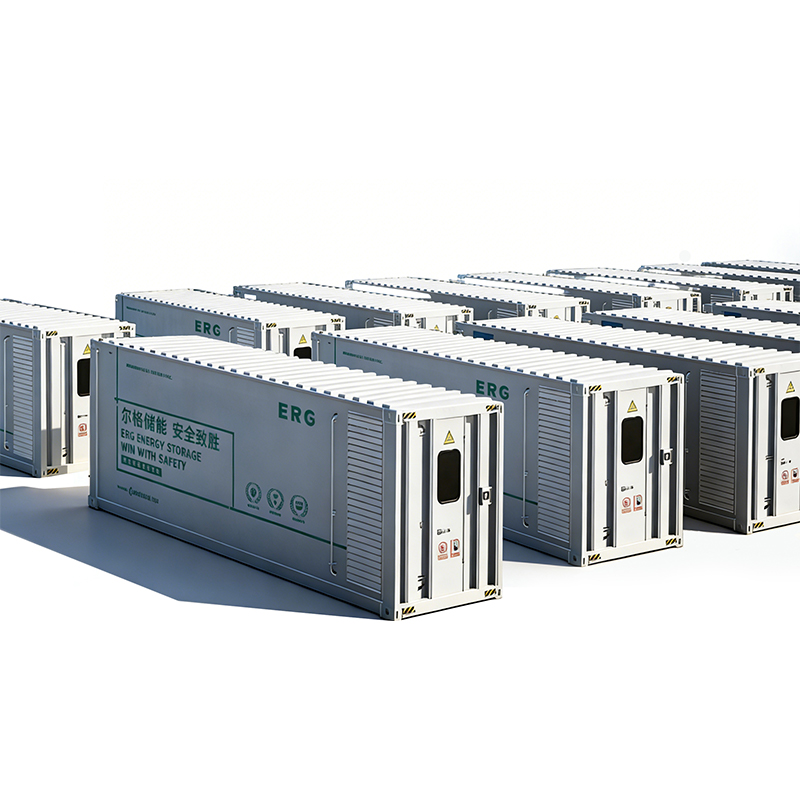
How Does a Distributed Energy Storage System Work with Solar Power to Improve Daily Energy Use
Solar power is affected by natural conditions, while electricity demand follows human activities. These two patterns do not always match.
For example, a commercial building may produce solar energy during daytime hours but require additional electricity later. Storage helps connect these different periods by keeping available power for later use.
A typical energy process includes:
- Electricity generation from solar equipment
- Energy monitoring based on actual demand
- Storage when available power exceeds current usage
- Energy release when additional support is needed
The connection between solar and storage is not only about adding more equipment. Project designers also need to consider installation location, electricity consumption patterns, and maintenance requirements.
A warehouse, a factory, and a commercial building may all use solar power, but their storage requirements can be completely different. The design needs to follow the real working conditions rather than a fixed model.
Which Battery Technology Is Suitable for Different Distributed Energy Storage System Projects
Battery choice is one of the decisions that can influence daily operation. Different projects may have different expectations regarding service life, maintenance, environmental conditions, and management methods.
Before selecting a battery solution, companies usually review several points:
| Factor | Related Consideration |
|---|---|
| Installation environment | Temperature, space, and operating conditions |
| Energy demand | Daily electricity usage and storage requirements |
| Maintenance plan | Inspection methods and management needs |
| Safety design | Monitoring and protection arrangements |
Lithium-based batteries are commonly considered for many energy storage applications because they can support various project requirements. Still, there is no single option that fits every situation.
A manufacturing facility with continuous production may focus on stable operation and monitoring functions. A commercial building with limited installation space may pay more attention to equipment layout and management convenience.
The right battery selection comes from matching technology with the actual project environment.
How to Choose the Right Distributed Energy Storage System for Different Commercial Applications
Selecting an energy storage solution usually starts with understanding the facility itself. Many problems happen when companies focus only on equipment specifications but overlook daily operating conditions.
Several points deserve attention before making a decision:
Review electricity usage
The daily pattern of power consumption affects system planning. Facilities with different working schedules may require different designs.
Check installation conditions
Available space, connection methods, and environmental factors can influence equipment selection.
Consider future changes
Energy demand may change when production capacity, business activities, or building usage develops.
Pay attention to system management
Monitoring functions help operators understand operating conditions and make adjustments when needed.
A suitable storage plan should work with the existing energy structure of a project. Careful planning before installation can help companies avoid unnecessary changes later and create a system that matches their actual requirements.
What Factors Should You Consider Before Investing in a Distributed Energy Storage System
For many companies, adding energy storage starts with a simple question: does the current power system meet future operating needs?
A factory may experience different electricity demands during production hours. A commercial building may have changing power consumption throughout the day. These differences mean that storage planning cannot be separated from the actual way a facility uses electricity.
Before making a decision, companies usually need to look beyond the equipment itself. Installation space, energy usage habits, maintenance arrangements, and future operation plans all influence whether a project can run smoothly.
Check Current Electricity Usage
Understanding existing power consumption is an important step. Many projects begin by reviewing electricity bills, operating schedules, and major power-consuming equipment.
This information helps identify:
- When energy demand changes during operation
- Which equipment affects overall electricity use
- Whether renewable energy can be connected effectively
- Where storage may provide practical support
A clear view of current energy conditions makes later planning easier. Without this information, it may be difficult to decide the suitable system configuration.
Review Installation And Maintenance Conditions
The location of the equipment can affect many parts of a project. Space availability, environmental conditions, and connection requirements all need to be considered during planning.
Maintenance is another area that should not be ignored. After installation, operators need to monitor system conditions and arrange regular inspections.
A project that considers operation from the beginning is usually easier to manage later because maintenance requirements have already been included in the planning stage.
How Can a Distributed Energy Storage System Help Reduce Electricity Costs for Industrial Facilities
For industrial facilities, electricity costs are often connected with production schedules. A factory operating different machines at different times may not have the same energy demand throughout the day.
A storage system provides another method for managing this difference. Electricity can be stored when available and used when the facility requires additional support.
The actual result depends on how the system is planned. Factors such as electricity usage patterns, facility conditions, and energy management strategies all influence the outcome.
Common applications include:
- Adjusting electricity usage during different operating periods
- Supporting renewable energy applications
- Helping facilities manage changing power requirements
- Providing additional flexibility for energy planning
For example, a manufacturing facility may have different energy needs between production shifts and non-production periods. A suitable storage plan considers these changes rather than treating electricity consumption as a fixed pattern.
Energy storage is therefore not only an equipment choice. It is also part of how a company organizes its daily energy operation.
What Common Mistakes Should Buyers Avoid When Choosing a Distributed Energy Storage System
Buying an energy storage solution requires careful planning. Some problems do not appear during the purchasing stage but may affect later installation and operation.
One common mistake is focusing only on product specifications. Technical parameters are important, but they need to match the actual working environment.
Selecting Without Understanding Energy Needs
Every facility has its own electricity pattern. A solution designed without reviewing actual consumption may not fit the project requirements.
Before purchasing, buyers should consider:
- Daily operating schedules
- Available installation space
- Future changes in electricity demand
- Maintenance arrangements
Ignoring System Compatibility
Energy storage equipment needs to work with existing electrical systems. Compatibility issues may create additional work during installation if they are not discussed early.
Looking Only at Purchase Price
The initial investment is only one part of the project. Operation, maintenance, monitoring, and technical support also influence long-term management.
A more complete evaluation helps buyers make decisions based on the whole project instead of one single factor.
Tips for Choosing a Distributed Energy Storage System Manufacturer for Long Term Project Success
When selecting a manufacturer, buyers usually need more than a product catalog. Energy storage projects often involve communication between technical teams, installation planning, and later service requirements.
A suitable supplier should understand the application environment and be able to discuss project details clearly.
Several points can help during evaluation:
Experience with different applications
A manufacturer familiar with various project conditions may better understand the differences between industrial, commercial, and renewable energy applications.
Technical communication
Clear discussions about capacity requirements, installation conditions, and operating expectations can reduce problems during project preparation.
Production and quality management
Manufacturing processes, inspection procedures, and internal management methods influence equipment consistency.
Support after delivery
Technical assistance and communication after installation are also important parts of cooperation.
| Evaluation Point | What Buyers Can Review |
|---|---|
| Project understanding | Ability to analyze different application conditions |
| Technical support | Communication during planning and installation |
| Production process | Equipment inspection and manufacturing management |
| Service support | Response and assistance after delivery |
Choosing a manufacturer is closely related to the overall project process. A supplier that understands the application, communicates clearly, and provides ongoing support can make project cooperation more efficient.
PREV:How to Choose and Use an Off-Grid Energy Storage System
NEXT:What Defines Long Cycle Life Battery Performance And Lifespan In Real Applications
NEXT:What Defines Long Cycle Life Battery Performance And Lifespan In Real Applications
Interested in cooperation or have questions?

Product
Content
+86-576-83200088
No. 2, Yongxing Road, Hairun Street, Sanmen County, Zhejiang Province
Copyright © Zhejiang ERG Energy LLC. All Rights Reserved.

Customized Flow Battery ODM Services for Global Energy Storage Market