 English
 中文简体
中文简体
How to Choose and Use an Off-Grid Energy Storage System
How to Choose and Use an Off-Grid Energy Storage System
How to Choose and Use an Off-Grid Energy Storage System
How to Choose and Use an Off-Grid Energy Storage System
How to Choose and Use an Off-Grid Energy Storage System
How to Choose and Use an Off-Grid Energy Storage System
How to Choose and Use an Off-Grid Energy Storage System
How to Choose and Use an Off-Grid Energy Storage System
How to Choose and Use an Off-Grid Energy Storage System
How to Choose and Use an Off-Grid Energy Storage System
How to Choose and Use an Off-Grid Energy Storage System
How to Choose and Use an Off-Grid Energy Storage System
How to Choose and Use an Off-Grid Energy Storage System
How to Choose and Use an Off-Grid Energy Storage System
How to Choose and Use an Off-Grid Energy Storage System
How to Choose and Use an Off-Grid Energy Storage System

Product Category
NEW Category
How to Choose and Use an Off-Grid Energy Storage System
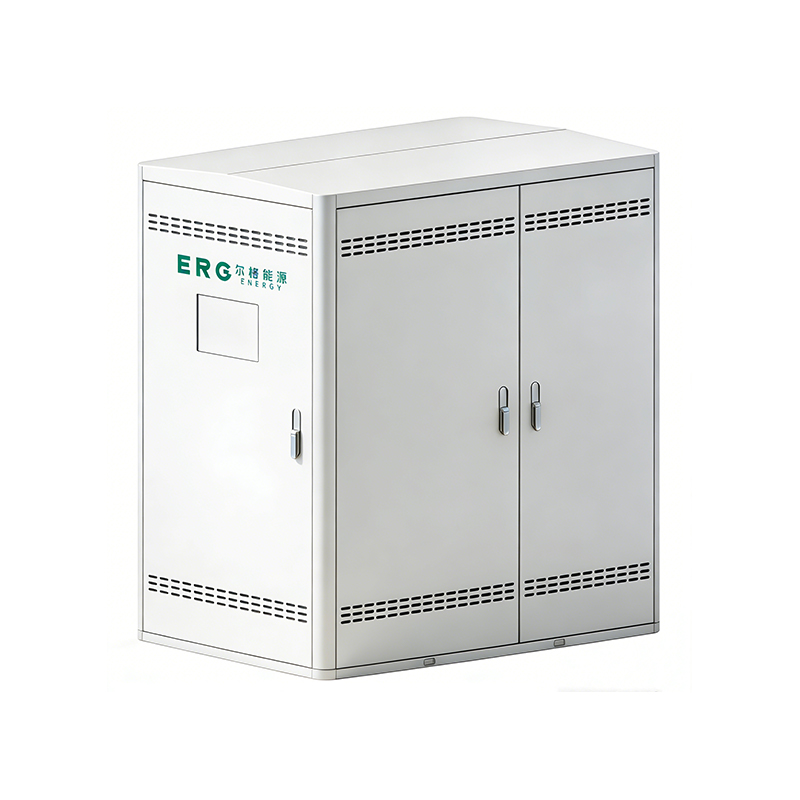
In many places, reliable power is not taken for granted. A remote home, a farm, a cabin, or a project site may need steady electricity without depending on a public grid. That is where an Off-Grid Energy Storage System becomes practical. It helps hold energy when supply is available and release it when demand appears, creating a more stable way to manage power in places with limited access.
The value of this kind of setup is not only in backup use. It can support daily routines, reduce pressure on generators, and make renewable input easier to use in real life. For buyers, the challenge is usually not whether storage is useful. The challenge is how to choose a setup that fits the site, the load, the climate, and the way the system will be used over time.
What It Is and How It Supports Different Applications
At a basic level, the system stores electrical energy and makes it available later. That sounds simple, but the practical role changes by setting. In a home, it may support lights, appliances, and essential circuits. In a farm, it may keep pumps, monitoring tools, and work equipment running. In a remote project, it may support tools, communication devices, or temporary facilities.
The key point is flexibility. The same storage idea can serve very different needs, but the setup has to match the use pattern. A small daily load behaves differently from a site with sudden high demand. A place with steady sunshine is not the same as one with irregular weather. An Off-Grid Energy Storage System works well when the storage capacity, input source, and power demand are in balance.
| Application Setting | What It Usually Needs | Notes for Planning |
|---|---|---|
| Home Use | Steady supply, quiet operation, simple control | Useful for essential loads and daily comfort |
| Farm Use | Stable output, long operating hours, outdoor tolerance | Needs room for changing demand through the day |
| Remote Project Use | Portable setup, quick support, flexible layout | Often depends on site access and project length |
| Cabin or Vacation Use | Low standby loss, easy monitoring, seasonal use | Works well when power needs change often |
A well-matched system is less about size alone and more about use pattern, environment, and operating habit. That is also why careful planning matters before purchase.
Why Homes Farms and Remote Projects Rely on It
Different users often reach the same decision for different reasons. A household may want quieter power support than a generator can provide. A farm may want a more stable option for equipment that must stay ready. A remote project may need power where grid access is not realistic or not available for a long period.
Another reason is control. With stored energy, users can better manage when power is drawn and how much is saved for later. That matters in places where supply changes through the day. It also matters when the site is far from service support and interruptions are difficult to handle.
A farm, for example, may have periods of low use and periods of heavier use. A cabin may sit idle for part of the time and then host a full household later. A remote work site may need power only for certain tools at certain hours. An Off-Grid Energy Storage System gives these users a way to organize energy around real demand rather than around grid habits.
A practical way to look at the need is this: power should match the site, not the other way around. That idea is simple, but it shapes nearly every buying decision.
How Solar Input and Storage Work Together
Many off-grid setups depend on solar input, and that pairing makes sense in locations with open space and daylight. Solar input produces energy during the day, while storage keeps part of that energy for later use. The result is a more even supply across changing conditions.
The process usually follows a clear path. Energy is captured, routed through the system, saved for later, and then released when the site needs it. During sunny hours, the system may support active use and store extra power at the same time. During evening hours or cloudy periods, the stored energy becomes the working reserve.
| Operating Moment | What Happens | Why It Matters |
|---|---|---|
| Daytime with Strong Input | Energy is captured and stored | Reduces waste and prepares for later use |
| Active Use Period | Power is delivered to connected loads | Keeps daily functions running smoothly |
| Low-Input Period | Stored power fills the gap | Helps maintain continuity when input drops |
| Quiet Period | The system waits and monitors demand | Protects reserve for later needs |
This pairing matters because it links generation and use in a more balanced way. Without storage, renewable input may not match demand timing. With storage, the site can use energy in a more flexible pattern. That is one reason an Off-Grid Energy Storage System is often paired with solar equipment in remote settings.
The fit still has limits. If demand is too high or use is too irregular, the system needs stronger planning. If input is too weak for the site, storage alone will not solve the problem. Good design depends on the relationship between supply, reserve, and daily consumption.
How to Choose the Right Setup Based on Energy Needs and Usage Conditions
Choosing the right setup begins with use habits, not product labels. Start by looking at what must stay powered, what can pause, and what will only run at certain times. Then consider how long the site needs support and whether the use pattern changes by season, weather, or project stage.
A small home load may call for one kind of layout. A work site with irregular demand may need another. A cabin used only part of the year will not need the same operating behavior as a farm that runs daily. The right choice comes from matching storage behavior to the real load pattern.
Key questions often include:
- Which loads are essential and which are optional?
- When does power use rise and fall?
- How stable is the input source?
- How often will the system be checked?
- Is the site temporary or permanent?
Once those points are clear, the system can be shaped around them. An Off-Grid Energy Storage System should feel aligned with the site rather than oversized, underused, or difficult to manage. A good match also helps reduce stress on connected equipment.
A common mistake is to focus only on capacity and ignore how the site actually operates. A better method is to think in terms of usage rhythm. That includes daytime demand, evening demand, weather changes, and periods when the site sits idle.
Which Battery Path Fits Different Uses
Battery choice affects how the system behaves in daily use. Some options suit frequent cycling and steady operation. Others may fit lighter use or simpler projects. The choice should reflect the environment, maintenance level, and expected usage pattern.
| Battery Path | Common Use Fit | Practical Note |
|---|---|---|
| Lithium-Based | Frequent use, stable output, compact layouts | Often chosen for regular cycling and easier space planning |
| Lead-Acid Based | Basic backup, limited budgets, familiar setup | May suit simpler projects with careful maintenance |
| Mixed Storage Setup | Sites with varied load patterns | Needs clearer planning and control |
| Modular Battery Setup | Projects that may grow later | Helpful when future expansion is possible |
The main issue is not only storage size. It is also how the battery behaves under use, rest, and repeated charging. A battery that is easy to fit may not be ideal for a site with heavy cycling. A battery that is simple to understand may still need more attention in harsh weather.
When comparing options, look at stability, space, upkeep, and how the system will be handled day to day. The right choice supports the site without creating extra work. In many projects, that practical balance matters more than any feature claim.
An Off-Grid Energy Storage System works more smoothly when the battery path matches the load style. A quiet cabin, a busy farm, and a temporary field site do not need the same operating profile. The battery choice should reflect that difference.
What Buyers Should Check Before Ordering from a Manufacturer
Buying from a manufacturer involves more than selecting a product page. A serious buyer should confirm how the system is meant to be used, what support is available, and whether the setup can fit the site without unnecessary changes later.
Good questions include:
- What loads will the system support?
- Is the input source already decided?
- Does the site need indoor or outdoor placement?
- Will the setup stay fixed or move later?
- What kind of guidance is offered after delivery?
These questions help avoid mismatched orders. They also help the buyer explain the project more clearly. Clear communication leads to a more suitable setup and fewer changes during installation.
The buyer should also check how the unit will be used during busy periods and quiet periods. Some sites need steady daily use. Others need seasonal support or emergency use only. That difference affects design choices, cabinet layout, monitoring needs, and site preparation.
For an Off-Grid Energy Storage System, the order stage is the point where practical details matter most. Once the site is clear, the product can be matched to it with more confidence.
What Customization Matters in Manufacturing
Custom work is often necessary because off-grid sites vary so much. A project in a warm area may need a different housing approach from one in a cold or humid place. A home setup may need a different user interface from a farm system. A temporary project may need portability, while a fixed site may need a stronger enclosure.
Customization may involve layout, storage size, control style, mounting method, or the way the components are arranged. It may also involve how the system is shipped, installed, and checked before use. The goal is not to add complexity. The goal is to make the system fit its purpose more closely.
Manufacturers usually benefit from asking about these points early:
- Site condition
- Daily load pattern
- Expected operating hours
- Space available
- Installation method
- Monitoring preference
When those details are clear, the final result is easier to use and easier to maintain. An Off-Grid Energy Storage System that is shaped around the site tends to feel more natural in daily operation. It also helps reduce avoidable adjustment after delivery.
The value of customization is not in novelty. It is in fit. A system that fits the project is easier to trust and easier to keep in service.
How to Keep the System Running Smoothly
Maintenance does not need to be complicated, but it does need to be regular. Keep the environment clean, check connections, watch for changes in performance, and make sure the system stays in a safe operating area. Small checks done on a steady basis usually prevent larger problems later.
A simple routine can include:
- Looking for loose connections
- Checking whether the enclosure stays dry and clean
- Watching for unusual heat or noise
- Confirming that the input source is working as expected
- Making sure connected loads still match the plan
Usage habits matter as much as physical upkeep. Avoid running the system in ways it was not designed for. Keep heavy loads under control. Do not ignore warning signs. A stable routine helps the system stay reliable for longer periods.
An Off-Grid Energy Storage System performs more predictably when it is not pushed beyond its intended use. That is true for homes, farms, and remote projects alike. Careful use keeps the system practical rather than troublesome.
Each site has its own pattern, and each pattern asks for a slightly different answer. When the load, battery path, input source, and maintenance routine work together, the whole setup becomes easier to manage and easier to depend on.
PREV:What Makes Vanadium Stacks For Energy Storage Useful
NEXT:What Should You Know About Distributed Energy Storage System
NEXT:What Should You Know About Distributed Energy Storage System
Interested in cooperation or have questions?

Product
Content
+86-576-83200088
No. 2, Yongxing Road, Hairun Street, Sanmen County, Zhejiang Province
Copyright © Zhejiang ERG Energy LLC. All Rights Reserved.

Customized Flow Battery ODM Services for Global Energy Storage Market