 English
 中文简体
中文简体
What Defines Long Cycle Life Battery Performance And Lifespan In Real Applications
What Defines Long Cycle Life Battery Performance And Lifespan In Real Applications
What Defines Long Cycle Life Battery Performance And Lifespan In Real Applications
What Defines Long Cycle Life Battery Performance And Lifespan In Real Applications
What Defines Long Cycle Life Battery Performance And Lifespan In Real Applications
What Defines Long Cycle Life Battery Performance And Lifespan In Real Applications
What Defines Long Cycle Life Battery Performance And Lifespan In Real Applications
What Defines Long Cycle Life Battery Performance And Lifespan In Real Applications
What Defines Long Cycle Life Battery Performance And Lifespan In Real Applications
What Defines Long Cycle Life Battery Performance And Lifespan In Real Applications
What Defines Long Cycle Life Battery Performance And Lifespan In Real Applications
What Defines Long Cycle Life Battery Performance And Lifespan In Real Applications
What Defines Long Cycle Life Battery Performance And Lifespan In Real Applications
What Defines Long Cycle Life Battery Performance And Lifespan In Real Applications
What Defines Long Cycle Life Battery Performance And Lifespan In Real Applications
What Defines Long Cycle Life Battery Performance And Lifespan In Real Applications

Product Category
NEW Category
What Defines Long Cycle Life Battery Performance And Lifespan In Real Applications
In practical use, cycle life is not shaped by one single factor. It comes from the interaction between cell design, operating habits, temperature exposure, and the way power is drawn over time. A battery may look stable in short use, yet show a different pattern once it is used in repeated charge and discharge conditions.
For a Long Cycle Life Battery, the key question is not only how long it can keep working, but how steadily it can hold output while being used in a normal setting. That is why many buyers pay attention to the balance between internal stability and daily use conditions.
A useful way to think about performance is to look at the following points:
- Consistent output during repeated use
- Slow change in internal resistance
- Stable behavior under routine charging habits
- Tolerance to moderate temperature shifts
- Less visible wear during long operation periods
| Aspect | What It Affects | Why It Matters |
| Charge pattern | Wear on internal parts | Uneven charging can stress the cell |
| Use depth | How hard the cell is worked | Deep use can raise strain over time |
| Temperature | Reaction speed and stability | Heat and cold both affect behavior |
| Storage state | Resting condition before use | Poor storage can weaken later use |
| Load changes | Output consistency | Sudden shifts may shorten usable life |
Real performance is often judged in the field, not only in testing. A battery that supports steady use, calm output changes, and predictable behavior is usually easier to manage in equipment, storage systems, and backup power settings.
What Determines The Real Cycle Life Of A Long Cycle Life Battery In Industrial Applications
Industrial use creates conditions that are different from controlled lab settings. Equipment may run for long periods, stop and start often, or face changing load demand. That makes real cycle life depend on use pattern as much as on cell design.
One important factor is how the battery is asked to work each day. Repeated heavy demand can create more strain than gentle use. Another factor is how often the battery stays near its upper or lower operating range. When a system pushes a battery too close to its limits for too long, wear may build faster.
Several practical influences often shape real cycle life:
- The rhythm of charging and discharging
- How long the battery stays under load
- The size of power changes during use
- The match between battery design and equipment demand
- The quality of control inside the system
In industrial settings, users often care about stability more than short bursts of power. A battery may still function after many repeated uses, but its behavior may slowly shift. That shift can appear as longer charging time, reduced output comfort, or less steady voltage support.
For buyers and engineers, the useful question is not whether the battery can work once, but whether it can keep working in the same environment without early loss of function. That is where practical cycle life becomes a field issue rather than a laboratory idea.
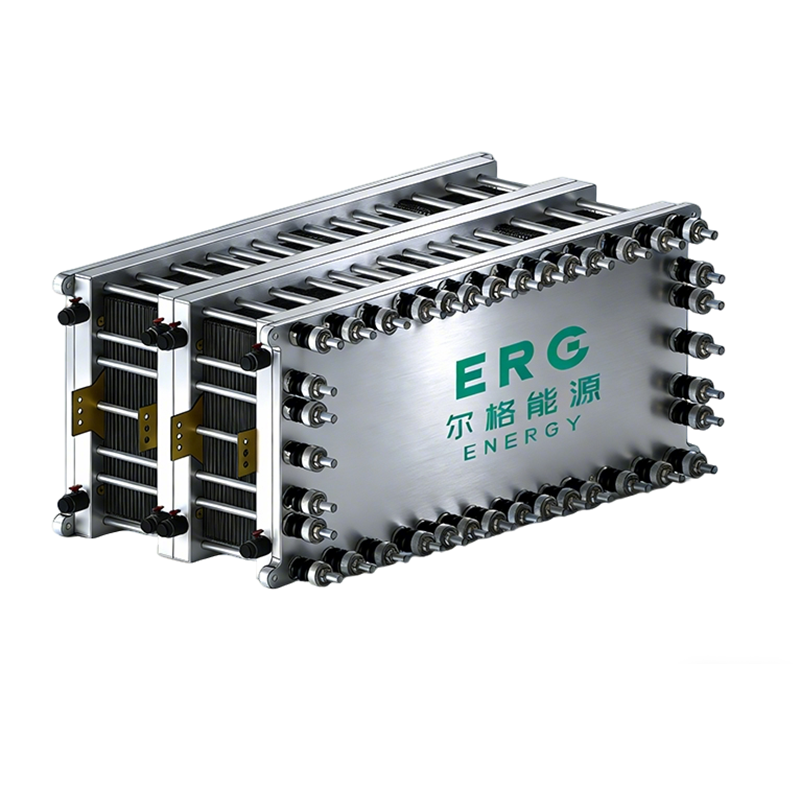
Which Material Combinations Support Longer Cycling Stability In Long Cycle Life Battery Design
Material pairing has a strong effect on how a battery behaves over repeated use. The right combination can reduce structural stress, slow wear, and help keep the cell balanced during many charge and discharge passes.
Some material sets support smoother ion movement. Others are chosen for steadier structure during use. In real design work, the goal is often to reduce internal conflict between parts of the cell. When the materials work well together, the battery is less likely to show fast change in behavior.
Common design goals include:
- Reducing stress during repeated movement inside the cell
- Keeping the electrode structure more stable during use
- Helping the interface stay calm under routine cycling
- Limiting side reactions that create extra wear
- Supporting steady performance across different load patterns
A Long Cycle Life Battery often depends on the harmony between its active parts and supporting layers. If one part changes too quickly, the rest of the system may follow. That is why material choice is not only about output. It is also about how the cell behaves after many uses.
The best material pairing for one use case may not fit another. A storage unit, a mobility device, and a backup system may all ask for different levels of stability, power response, and operating comfort. Material design needs to match those demands rather than follow a single rule.
How Charging And Discharging Methods Influence The Lifespan Of Long Cycle Life Battery Systems
Charging and discharging habits shape battery wear in a direct way. Even a well-built cell can age faster when it is used in a harsh pattern. The way power enters and leaves the battery affects heat, internal stress, and the speed of gradual change.
A calm charging pattern usually places less pressure on the cell. Sudden power shifts, frequent deep use, and repeated heavy demand can create more strain. The same is true when discharge habits are uneven. A battery that is often pushed hard may not keep the same behavior for as long as one that is used in a gentler range.
Useful points to consider include:
- Avoiding sharp changes in charging behavior
- Matching charging habits with the equipment need
- Keeping discharge depth within a steady range
- Allowing rest time when the system design permits it
- Watching for heat buildup during repeated use
In many systems, the life of the cell is shaped by rhythm. Steady rhythm is usually easier on the internal structure than irregular use. That is why power control matters as much as cell design.
For a Long Cycle Life Battery, the operating method can either support stable use or speed up wear. The same unit may show different behavior under different routines, even if the external setup looks similar. That makes user habit a key part of the whole picture.
Why Temperature Conditions Change The Cycle Behavior Of Long Cycle Life Battery Over Time
Temperature shapes how a cell responds during use, storage, and rest. When the environment stays steady, internal reactions tend to move in a more predictable way. When the temperature shifts often, the cell may behave differently from one cycle to the next.
A Long Cycle Life Battery is affected by both heat and cold, but not in the same way. Heat can increase internal activity and create faster wear in some parts of the cell. Cold can slow movement inside the system and make charging behavior less smooth. The result is not only a change in output, but also a change in how the battery ages.
| Temperature condition | Typical effect on behavior | Practical concern |
| Stable range | More even operation | Easier to manage over time |
| High heat | Faster internal change | May raise wear during repeated use |
| Low temperature | Slower reaction inside the cell | Charging can become less smooth |
| Frequent swings | Less predictable performance | Harder to keep consistent behavior |
In real use, the most useful condition is often the one that stays calm rather than extreme. The battery does not need perfect surroundings. It needs a setting that avoids constant stress and supports consistent movement inside the cell.
Where Long Cycle Life Battery Systems Are Used To Support Continuous Energy Demand
Some systems need repeated power support across long operating periods. In those settings, users care less about short bursts and more about steady delivery. That is where long cycle behavior becomes useful.
A Long Cycle Life Battery is often chosen for equipment that needs stable repetition rather than brief peak output. The application may involve backup support, storage use, or equipment that runs through regular charge and discharge patterns. The value lies in how the unit behaves under ongoing demand.
Common use conditions often include:
- Systems that run on repeated energy delivery
- Equipment that depends on stable daily operation
- Storage setups that charge and release power in cycles
- Backup use where long service duration matters
- Industrial settings with regular power movement
The point of these uses is not only to store energy. It is to keep that energy available in a controlled way when the system asks for it. In such cases, battery behavior becomes part of the overall reliability of the equipment.
How Long Cycle Life Battery Maintains Stable Performance Across Repeated Charge And Discharge Conditions
Stable performance during repeated use is usually the result of balanced internal design and controlled operation. Each cycle places some pressure on the battery. The question is how well the cell keeps that pressure from turning into fast wear.
A battery that performs steadily does not need to stay identical forever. Small change is normal. What matters is whether the change remains manageable and even. That is one reason buyers and engineers watch output consistency, charging behavior, and thermal response together rather than in isolation.
Several factors support this kind of stability:
- Controlled charging habits that avoid sudden strain
- Discharge behavior that stays within a familiar range
- Internal parts that move in a balanced pattern
- Limited heat rise during ongoing use
- A system design that matches the battery's working range
The cycle pattern itself matters. When the cell is used in a calm and repeated rhythm, the performance curve usually looks more stable. When the use pattern changes too sharply, the battery may need more effort to keep the same output profile.
A Long Cycle Life Battery is often valued because it can handle repetition without large swings in behavior. That is useful in systems where consistency is easier to manage than frequent adjustment.
When Capacity Decline Becomes Noticeable In Long Cycle Life Battery Operation
Capacity decline does not usually appear as a sudden event. It tends to show up in small signs that become easier to see over time. A battery may still work, but the way it works can start to shift.
At the early stage, changes may be subtle. Charging may take a little longer, output may feel less even, or the system may hold power in a different way than before. These signs often become more visible when the battery has been used under repeated demand for a long period.
What often draws attention first is not full failure, but a change in routine behavior. The battery may still support the equipment, yet the operating pattern is no longer as steady as it was. That transition matters because it affects planning, maintenance, and replacement timing.
For a Long Cycle Life Battery, the appearance of decline is often linked to use pattern, heat exposure, and the way the cell has been loaded over time. When the system keeps those pressures in check, decline may stay slower and easier to manage. When the operating pattern is harsh, the change can become visible sooner and in a less even way.
PREV:What Should You Know About Distributed Energy Storage System
NEXT:What Is Vanadium Redox Flow Battery Electrolyte and How It Works
NEXT:What Is Vanadium Redox Flow Battery Electrolyte and How It Works
Interested in cooperation or have questions?

Product
Content
+86-576-83200088
No. 2, Yongxing Road, Hairun Street, Sanmen County, Zhejiang Province
Copyright © Zhejiang ERG Energy LLC. All Rights Reserved.

Customized Flow Battery ODM Services for Global Energy Storage Market