 English
 中文简体
中文简体
What Makes Vanadium Stacks For Energy Storage Useful
What Makes Vanadium Stacks For Energy Storage Useful
What Makes Vanadium Stacks For Energy Storage Useful
What Makes Vanadium Stacks For Energy Storage Useful
What Makes Vanadium Stacks For Energy Storage Useful
What Makes Vanadium Stacks For Energy Storage Useful
What Makes Vanadium Stacks For Energy Storage Useful
What Makes Vanadium Stacks For Energy Storage Useful
What Makes Vanadium Stacks For Energy Storage Useful
What Makes Vanadium Stacks For Energy Storage Useful
What Makes Vanadium Stacks For Energy Storage Useful
What Makes Vanadium Stacks For Energy Storage Useful
What Makes Vanadium Stacks For Energy Storage Useful
What Makes Vanadium Stacks For Energy Storage Useful
What Makes Vanadium Stacks For Energy Storage Useful
What Makes Vanadium Stacks For Energy Storage Useful

Product Category
NEW Category
What Makes Vanadium Stacks For Energy Storage Useful
Energy storage is often judged by how quietly it fits into a project's operating plan. Some systems are chosen for compact layout, some for flexible operation, and some for how they behave over time. In that setting, Vanadium Stacks For Energy Storage attract attention because they are built for steady work rather than short bursts of attention. They are part of a wider storage system, but their role is not abstract. They help shape how energy moves, how it is held, and how a site responds when demand changes.
For buyers, project planners, and technical teams, the useful questions are practical. How does the stack fit into the full system. What parts matter most. Which design choices affect operation. Where does it fit in real use. The sections below follow those questions in order, moving from basic function to design, production, selection, and use.
| Reader Concern | What the Section Covers |
|---|---|
| How it works | Basic function in a storage system |
| What it contains | Main parts and their roles |
| Why it matters | Design and operating behavior |
| What buyers check | Selection and project fit |
What Is a Vanadium Stack for Energy Storage and How Does It Work in Flow Battery Systems
A vanadium stack is the working center of a flow battery system. It is where the electrochemical change happens, allowing stored energy to move in and out of the system in a controlled way. In simple terms, Vanadium Stacks For Energy Storage help convert electrical action into a stored form and then return it when the system needs power.
The stack does not work alone. It sits within a larger setup that includes tanks, pumps, pipes, and control parts. That wider arrangement matters because the stack depends on a steady supply of electrolyte and a stable flow path. When the full system is arranged well, the stack can do its job with more consistency.
What makes this structure interesting is the way the energy and storage functions are separated. The stack handles the reaction process, while the storage medium sits elsewhere. That separation gives the system a different operating pattern from many compact battery forms. It also helps explain why Vanadium Stacks For Energy Storage are often discussed in relation to grid support, renewable integration, and longer operating windows.
A practical way to think about the stack is to see it as the decision point inside the system. It does not store energy by itself in the way people often imagine. Instead, it supports the transfer and control of energy through repeated use. That makes the stack a key part of the system's daily behavior.
Why Are Vanadium Stacks Used for Long Duration Energy Storage Applications
Long duration storage asks for a system that can hold energy without drifting away from its operating purpose. Some sites need to manage changing supply across the day, while others need a buffer that can support a broader operating pattern. In that setting, the structure of Vanadium Stacks For Energy Storage makes them a useful fit for projects that value steady operation.
A major reason is the separation between power handling and storage volume. That gives project teams more flexibility when planning a system around site needs. Rather than treating every part as one fixed unit, the design allows more room for matching the system to the task. For a project that needs extended operation, that can be a useful trait.
Another reason is the way these stacks support repeated use over time. Storage projects are not judged only by their initial setup. They are judged by how they behave through many operating cycles, how they respond to load changes, and how they fit into maintenance plans. Vanadium Stacks For Energy Storage are often considered where that steady pattern matters more than compact size or quick installation alone.
This is also why the topic attracts attention from renewable projects. Solar and wind output can shift, and storage has to follow those shifts without adding unnecessary strain. A storage system built around a vanadium stack can be used as part of that balancing role. It gives the project another way to manage timing, not just capacity.
| Project Need | Why the Stack Is Relevant |
|---|---|
| Flexible operation | Supports changing demand patterns |
| Longer use cycles | Fits repeated operation over time |
| Renewable support | Helps manage variable supply |
| Site planning | Separates power handling from storage volume |
What Materials and Components Are Used in Vanadium Stacks for Energy Storage
A stack is not one single piece. It is an assembly of parts that each carry a specific role. The materials used in Vanadium Stacks For Energy Storage affect how the system handles flow, separation, and electrical transfer. For buyers and engineers, this is one of the most important parts of the conversation because small choices in composition can affect operating behavior.
Typical stack parts include electrodes, membranes, plates, seals, and frames. Each part contributes in a different way. The electrode area supports the reaction surface. The membrane helps control movement between sides of the stack. Plates guide flow and support structure. Seals help contain the system and limit leakage risk. Frames and support parts keep the assembly aligned.
The choice of material matters because the parts must work together under repeated operation. A material that performs well in one part may not suit another. A plate may need strength and stability. A membrane may need careful control of movement and separation. A seal may need reliable contact under pressure. In that sense, the stack is not just a bundle of components. It is a set of linked decisions.
For buyers, the useful question is not only what the parts are called, but how they relate to one another. A stack with well-matched components tends to behave more predictably. That is one reason Vanadium Stacks For Energy Storage are often reviewed part by part before a project moves forward.
How Does Vanadium Stack Design Influence Energy Storage System Performance
Design choices shape how the stack behaves in daily use. Even when the same basic idea is used, the layout, flow path, contact surface, and internal balance can change the outcome. With Vanadium Stacks For Energy Storage, the design is closely tied to how smoothly the system handles charge and discharge cycles.
One of the most visible design issues is flow distribution. If the flow path is uneven, parts of the stack may work harder than others. That can affect balance and make operation less smooth. A thoughtful layout helps the system move liquid in a more even way, which supports stable use.
Electrical contact also matters. The stack must pass energy without unnecessary resistance, and that depends on how the parts meet each other. When contact is managed well, the system can operate with fewer interruptions. When it is not, the stack may show uneven behavior.
Heat and pressure are also part of the picture. A stack that is built with the operating environment in mind can respond more calmly to changing conditions. This is not about dramatic claims. It is about making the system easier to manage across ordinary use.
Design also affects service needs. A stack that is hard to inspect or difficult to align can become a burden during maintenance. A cleaner layout can make installation and follow-up work more practical. For this reason, Vanadium Stacks For Energy Storage are often judged not only by what they do, but by how they fit into the wider operating routine.
How Are Vanadium Stacks Manufactured for Energy Storage Systems
Manufacturing gives the design its physical form. The process usually begins with material preparation, then moves through part shaping, assembly, alignment, and testing. For manufacturers, this stage is where product intent becomes actual hardware.
The main concern is consistency. If one part is cut or formed slightly differently from another, the stack may not assemble in the same way each time. That is why careful handling during production matters. It is also why makers of Vanadium Stacks For Energy Storage often treat alignment and inspection as part of the core process, not as an extra step.
Assembly requires attention to contact points, seal placement, and part order. These details affect how the stack behaves later. Once assembled, the unit is checked for fit and operating response. Testing may focus on flow behavior, leakage control, and basic function under working conditions. The point is not to impress, but to confirm that the stack can do the job it was built for.
Manufacturing also reflects project needs. Some buyers want standard units. Others need a layout shaped around a specific site or operating plan. In either case, the production process should support clarity, traceability, and repeatable assembly. That is why manufacturing quality remains a central topic when discussing Vanadium Stacks For Energy Storage.
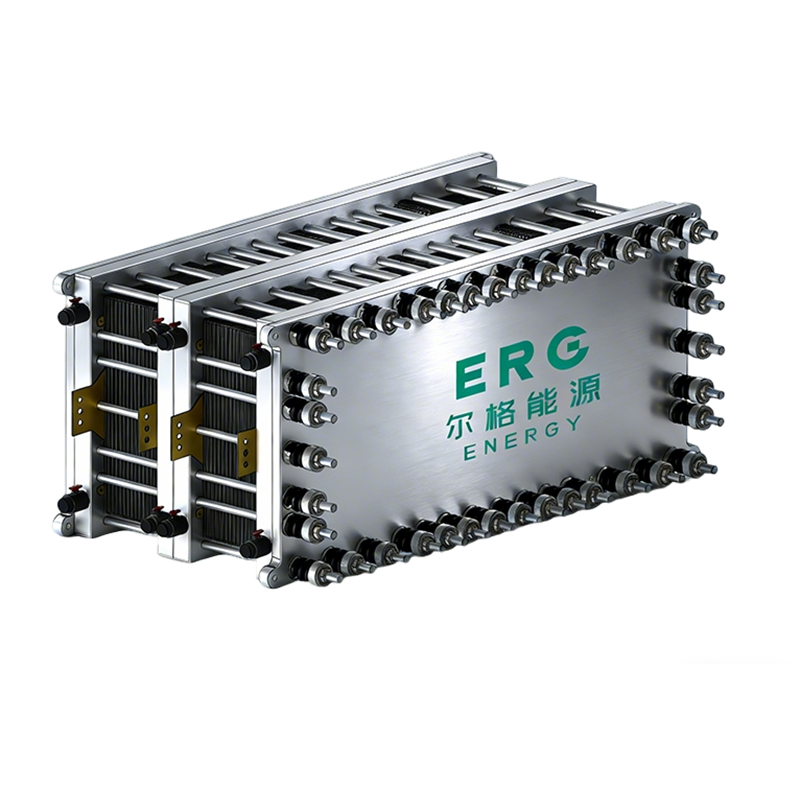
What Factors Should Buyers Check Before Ordering Vanadium Stacks
Before placing an order, buyers usually need to check more than the product name or general category. A stack that looks suitable on paper may still need a closer review to match the project. For Vanadium Stacks For Energy Storage, the most useful checks tend to focus on fit, consistency, and support.
The starting point is system purpose. Some projects need steady support over long operating windows. Others are built around a different pattern of use. The stack should fit that pattern. Buyers should also review the physical setup, including available space, connection layout, and service access. A product that suits the operating task but not the site can still create problems later.
Next comes build quality. Buyers often ask about part alignment, sealing approach, and testing methods. These are not cosmetic details. They affect reliability in use. It also helps to ask how the supplier handles inspection, packaging, and transport. A stack can be well made and still arrive in a poor state if handling is not careful.
Support is another area worth checking. Can the maker explain the configuration clearly. Can the supplier respond to project questions. Can the team offer practical guidance during integration. These details often matter as much as the hardware itself.
| Buyer Check | Why It Matters |
|---|---|
| System fit | Matches the project task |
| Build consistency | Supports stable operation |
| Testing approach | Confirms working condition |
| Supplier support | Helps with project setup |
How to Choose the Right Vanadium Stack for Energy Storage Projects
Choosing the right stack is less about chasing a label and more about matching the project's operating plan. For Vanadium Stacks For Energy Storage, that means looking at use case, site setting, system layout, and expected operating rhythm.
A useful way to begin is by asking what the project is trying to solve. Is it smoothing renewable supply. Is it supporting a site with changing power demand. Is it part of a larger storage plan where reliability matters more than compact size. Once the purpose is clear, it becomes easier to narrow the configuration.
Buyers should also think about compatibility. The stack must work with the rest of the system, not sit apart from it. That includes flow paths, control parts, and maintenance access. A unit that seems attractive in isolation may require more adjustment than expected once it is placed into the full system.
Another point is service planning. A stack should not be treated as a one-time purchase with no follow-up. Projects benefit when the supplier can explain setup, operation, and inspection in a plain way. That support can make a real difference after installation.
For project teams comparing options, the decision often comes down to fit rather than abstract claims. A stack that matches the use case, the site, and the operating routine is usually easier to manage over time. That is why Vanadium Stacks For Energy Storage are often chosen through a process of matching rather than guessing.
How Can Vanadium Stacks Improve Renewable Energy Storage Solutions
Renewable systems depend on timing. Power can rise and fall with weather, demand, and site conditions. Storage helps manage that shift, and vanadium stacks play a role in making the storage side more organized. In this setting, Vanadium Stacks For Energy Storage are useful because they support a stable transfer process inside a broader renewable setup.
Solar projects may need help smoothing output when daylight changes. Wind projects may need support when generation moves unevenly. In both cases, storage can help the site use energy more calmly. The stack becomes part of that flow control, helping the system respond in a way that fits the site rather than forcing the site to adapt to the battery.
There is also a planning advantage. Renewable projects often grow in stages, and storage must fit that growth. A stack-based system can be part of a broader arrangement that allows more flexible project design. This is one reason it appears in discussions about grid support, microgrid planning, and site-level balance.
For manufacturers, this is where the product story becomes practical. The stack is not just a technical part in isolation. It is a component that helps a project keep pace with changing energy conditions. When the system is laid out well, Vanadium Stacks For Energy Storage can support a more manageable storage path for renewable operations.
In many projects, the real value comes from how the stack fits into daily use. That includes how it starts, how it runs, how it is checked, and how it supports the rest of the storage system. When those pieces align, the stack becomes easier to work with and easier to plan around.
The useful side of this technology is not a slogan. It is the way the stack supports steady operation, practical setup, and a clearer path for project control. For buyers and technical teams, that is often the point that matters most.
PREV:How Does a Flow Battery Manufacturer Build Energy Storage Solutions
NEXT:How to Choose and Use an Off-Grid Energy Storage System
NEXT:How to Choose and Use an Off-Grid Energy Storage System
Interested in cooperation or have questions?

Product
Content
+86-576-83200088
No. 2, Yongxing Road, Hairun Street, Sanmen County, Zhejiang Province
Copyright © Zhejiang ERG Energy LLC. All Rights Reserved.

Customized Flow Battery ODM Services for Global Energy Storage Market