 English
 中文简体
中文简体
How Does a Flow Battery Manufacturer Build Energy Storage Solutions
How Does a Flow Battery Manufacturer Build Energy Storage Solutions
How Does a Flow Battery Manufacturer Build Energy Storage Solutions
How Does a Flow Battery Manufacturer Build Energy Storage Solutions
How Does a Flow Battery Manufacturer Build Energy Storage Solutions
How Does a Flow Battery Manufacturer Build Energy Storage Solutions
How Does a Flow Battery Manufacturer Build Energy Storage Solutions
How Does a Flow Battery Manufacturer Build Energy Storage Solutions
How Does a Flow Battery Manufacturer Build Energy Storage Solutions
How Does a Flow Battery Manufacturer Build Energy Storage Solutions
How Does a Flow Battery Manufacturer Build Energy Storage Solutions
How Does a Flow Battery Manufacturer Build Energy Storage Solutions
How Does a Flow Battery Manufacturer Build Energy Storage Solutions
How Does a Flow Battery Manufacturer Build Energy Storage Solutions
How Does a Flow Battery Manufacturer Build Energy Storage Solutions
How Does a Flow Battery Manufacturer Build Energy Storage Solutions

Product Category
NEW Category
How Does a Flow Battery Manufacturer Build Energy Storage Solutions
Energy storage has become a practical part of many project plans, but the real challenge is not only storing power. It is building a system that fits the site, the operating pattern, the maintenance plan, and the budget path without creating extra friction later. A Flow Battery Manufacturer comes into view at that point. Buyers often arrive with a simple request, yet the final system has to answer many quieter questions: How will it be used, where will it sit, what kind of service routine will it need, and how much adjustment will the project require over time?
Why Does Energy Storage Design Matter When Developing Flow Battery Solutions
Design is the part that gives a storage project direction. Without it, the system may still be built, but it may not match the way the site actually works. Some projects need steadier output over longer periods. Others need flexible operation. Some are built with room for future growth, while others need to fit into a limited footprint. A Flow Battery Manufacturer usually starts by reading these differences before any physical build begins.
Good design also helps avoid unnecessary change later. If a system is planned with the site layout, service access, and usage pattern in mind, the rest of the process tends to move with fewer interruptions. In practice, that means the design stage is not a visual sketch alone. It is a working bridge between project intent and system behavior.
In real projects, design also acts as a filter. It narrows down choices before they become expensive adjustments. A site with limited access may need a different arrangement from one that has more room for service work. A project that runs in a steady rhythm may need a different flow path from one that changes with demand. These differences are ordinary, but they are easy to miss when the planning stage is rushed.
| Project need | Design focus |
|---|---|
| Stable operation over time | Balanced flow, steady control, clear service access |
| Limited installation space | Compact layout, organized routing, efficient placement |
| Flexible use across sites | Adaptable structure, clear interface, easier configuration |
| Lower maintenance pressure | Accessible parts, simple checks, fewer service barriers |
These points matter because the project is shaped long before the system is switched on. When the design stage is handled with care, later steps usually become easier to coordinate. That is why the planning side of a project often deserves as much attention as the equipment itself.
How Does a Flow Battery Manufacturer Build Energy Storage Systems From Design to Production
Once the design direction is set, the next step is turning that plan into a buildable system. The manufacturer has to keep the project idea aligned with factory reality, since a design that looks clear on paper still needs to fit a practical production flow.
The handoff from design to production usually works well when communication stays direct. The engineering side defines the purpose. The production side checks whether the layout can be built cleanly, inspected clearly, and serviced without unnecessary difficulty. When those two sides stay connected, the chance of mismatch drops.
At this stage, the build process often follows a pattern like this:
- Confirm the project aim and usage pattern.
- Set the system layout in a way that fits the site.
- Match parts and connections to the intended operating style.
- Prepare the build sequence so each stage supports the next one.
- Check that the final arrangement can be installed and serviced with reasonable effort.
A production plan also needs room for adjustment. Not every project is identical, and not every site gives the same amount of physical space or service access. So the build stage is partly about consistency and partly about making the system fit the project without unnecessary compromise.
| Project question | Production response |
|---|---|
| How will the system be used? | Shape the build around the operating pattern |
| Where will it be installed? | Match the layout to the site |
| Who will service it? | Keep access points readable and practical |
| What changes may happen later? | Leave room for adjustment where possible |
What Are the Key Steps Behind Flow Battery Manufacturing From Assembly to Testing
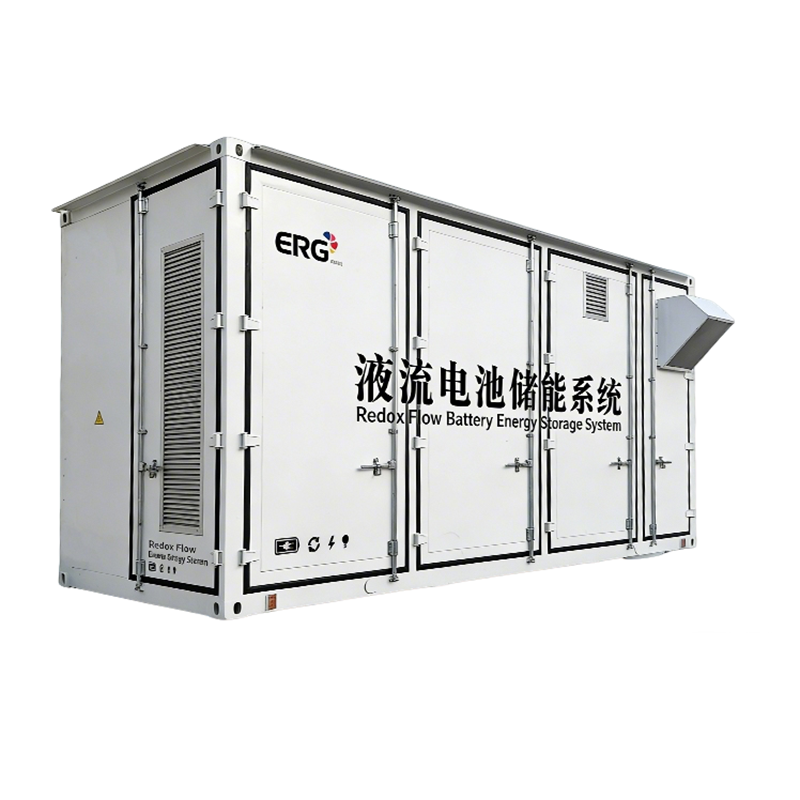
The build phase becomes more concrete when the parts are brought together. Assembly is where structure begins to take shape. It is also where small choices start to matter, because placement, connection, and order all affect how the final system behaves. In many projects, this is the point where the manufacturer shows how careful the production process really is.
Assembly is usually followed by staged checking. The goal is not to move fast for its own sake, but to make sure every part works as part of the larger whole. When a system includes linked sections, even a small issue in one area can create extra work elsewhere. That is why the process benefits from clear sequence and steady inspection.
The work typically moves through steps such as:
- Preparing each part for assembly.
- Joining the main sections in the planned order.
- Confirming that connections are secure and aligned.
- Checking the flow path and surrounding support structure.
- Reviewing the full system before it moves to testing.
The stages are distinct, but they stay connected. Care at one point often makes the next one easier. A line that is easy to inspect, a connection that is placed with care, or a service point that is easy to reach can influence the whole operating experience.
| Stage | What happens | Why it matters |
|---|---|---|
| Part preparation | Parts are checked and organized | Reduces avoidable assembly problems |
| Assembly | Sections are joined into a full system | Creates the physical structure |
| Connection review | Links and joints are checked | Helps prevent service issues later |
| Testing | The system is run under controlled conditions | Confirm whether it behaves as planned |
How Does a Flow Battery Manufacturer Test Battery Performance Before Delivery
Testing gives the project its final shape before handover. It is the point where the assembled system is checked as a working unit rather than as separate parts. A Flow Battery Manufacturer uses this stage to confirm that the system behaves in a controlled, consistent, and practical way.
Testing is valuable because it can reveal issues that are not obvious during assembly. A system may look complete, but its operating behavior still needs to be checked in real conditions. That is why the process usually includes functional checks, stability checks, and observation during operation.
Typical checks often include:
- Making sure the system starts and stops as intended.
- Watching whether operating behavior stays steady.
- Looking for signs of leakage, drift, or uneven response.
- Confirming that the control setup behaves as planned.
- Reviewing whether the system remains readable for operators and service teams.
A clear testing routine helps buyers trust what is being delivered. It also helps the manufacturer spot service issues before the system leaves the factory. When testing is treated as part of the build rather than a final formality, the result is usually more dependable.
Another useful part of testing is the handover mind-set. The goal is not only to confirm that the system works, but also to make sure operators can read it and maintain it with confidence. Clear labels, sensible access points, and straightforward operating behavior all matter here. A system that is easy to read after delivery tends to create fewer interruptions later.
How Can a Flow Battery Manufacturer Customize Energy Storage Systems for Different Applications
Not every project wants the same structure, and not every site asks the system to do the same job. Some are built around long operating periods. Others are shaped by limited space or by a need for easier service access. Some are connected to renewable power sites, while others support industrial operations that follow a different rhythm. A Flow Battery Manufacturer often needs to adjust the system around these real conditions rather than force one structure into every case.
Customization does not have to mean a complete redesign. In many cases, it means changing the layout, the service approach, the control style, or the installation format so the system fits the project more naturally. This can make the project easier to place, easier to use, and easier to maintain.
Here are some common ways a system may be adjusted:
- Layout changes to match site size or building limits.
- Service access planning for teams that need simpler upkeep.
- Control arrangement changes to suit different operating habits.
- Module grouping to support future expansion or phased use.
- Packaging choices that help with installation and transport.
A project team often benefits from asking a few practical questions early. What space is available? How often will the system be used? Who will maintain it? What level of flexibility does the site need? These questions shape the final arrangement more than abstract preferences do.
This is also where project rhythm matters. A site that changes load patterns through the day may need one style of arrangement, while a site that follows a steadier pace may need another. The point is not to force one template onto every case. The point is to shape the system so the project can use it without constant adjustment.
What Should Companies Know Before Choosing a Flow Battery Manufacturer for Energy Storage Projects
Choosing a partner is not only a matter of price or appearance. It is a matter of fit. Companies usually need to know whether the manufacturer can build to the project's structure, communicate clearly during planning, and support the system after handover. A Flow Battery Manufacturer should be evaluated with the whole project path in mind, not just the sales stage.
The clearest questions are usually the practical ones. Can the manufacturer explain the build plan clearly? Is the system designed with service in mind? Can the team adapt the structure to the project instead of forcing a fixed shape? Does the production process stay consistent from one build to the next? These points matter because they affect the everyday reality of the project.
A useful buyer checklist is shown below.
| Buyer question | What it helps reveal |
|---|---|
| Can the system fit the site? | Whether the layout is practical |
| Can the design be adjusted? | Whether the project has flexibility |
| How is performance checked? | Whether delivery is controlled |
| What support is available after handover? | Whether long-term use is manageable |
| How clear is the communication path? | Whether project work can move smoothly |
Companies also benefit from reading the manufacturer's approach to detail. A careful production team tends to show that care in its planning language, inspection process, and service logic. A company that asks the right questions early can often avoid confusion later. Clear communication after selection matters as well. A project rarely ends at purchase, and many small issues can be avoided when the manufacturer stays available during installation and early use. That kind of support is less about sales language and more about keeping the work moving in a steady, readable way.
The wider lesson is simple: energy storage works better when the build process, the site need, and the use pattern are aligned from the beginning. That alignment is what turns a product into a usable solution, and it is what makes a project easier to live with after installation.
PREV:What Should You Know About Vanadium Redox Flow Battery Systems
NEXT:What Makes Vanadium Stacks For Energy Storage Useful
NEXT:What Makes Vanadium Stacks For Energy Storage Useful
Interested in cooperation or have questions?

Product
Content
+86-576-83200088
No. 2, Yongxing Road, Hairun Street, Sanmen County, Zhejiang Province
Copyright © Zhejiang ERG Energy LLC. All Rights Reserved.

Customized Flow Battery ODM Services for Global Energy Storage Market