 English
 中文简体
中文简体
User-Side Energy Storage System What Drives Its Real Value in Energy Use
User-Side Energy Storage System What Drives Its Real Value in Energy Use
User-Side Energy Storage System What Drives Its Real Value in Energy Use
User-Side Energy Storage System What Drives Its Real Value in Energy Use
User-Side Energy Storage System What Drives Its Real Value in Energy Use
User-Side Energy Storage System What Drives Its Real Value in Energy Use
User-Side Energy Storage System What Drives Its Real Value in Energy Use
User-Side Energy Storage System What Drives Its Real Value in Energy Use
User-Side Energy Storage System What Drives Its Real Value in Energy Use
User-Side Energy Storage System What Drives Its Real Value in Energy Use
User-Side Energy Storage System What Drives Its Real Value in Energy Use
User-Side Energy Storage System What Drives Its Real Value in Energy Use
User-Side Energy Storage System What Drives Its Real Value in Energy Use
User-Side Energy Storage System What Drives Its Real Value in Energy Use
User-Side Energy Storage System What Drives Its Real Value in Energy Use
User-Side Energy Storage System What Drives Its Real Value in Energy Use

Product Category
NEW Category
User-Side Energy Storage System What Drives Its Real Value in Energy Use
Electricity use does not stay still for long. In a building, a factory, or a mixed-use site, demand rises and falls through the day. Some periods stay quiet. Others put steady pressure on the supply side. That is where a User-Side Energy Storage System starts to matter.
It sits close to the point of use and works with the existing power setup. Instead of changing how energy is produced, it changes how energy is handled on site. In practice, that means the system can store power when conditions are calmer and release it when the load becomes heavier. The idea is simple. The way it behaves in real projects is not always simple.
What makes the topic relevant is not only the equipment itself, but the way it fits into daily operation. Site habits, load shape, usage timing, and internal planning all affect the result. In many cases, the real value comes from how well the system matches the way the site already runs.
What Is a User-Side Energy Storage System and How It Works in Real Energy Consumption Scenarios
A User-Side Energy Storage System is usually installed where electricity is actually consumed. It does not sit on the generation side. It stays close to the load and works around the patterns of use that already exist.
In practical terms, it tends to do two things. It stores energy when the site has room to do so, and it releases that energy when demand rises. That sounds straightforward, but real operation depends on how the site behaves. A building with stable use across the day will not need the same operating rhythm as a site with sharp peaks and quiet gaps.
There is also a common misunderstanding here. The system is not there to make consumption disappear. It is there to change the timing and shape of that consumption. That difference matters.
A simple way to think about it:
- Energy goes in when usage pressure is lighter.
- Energy comes out when the site needs support.
- The overall pattern becomes easier to manage over time.
In real energy consumption scenarios, that flexibility often matters more than raw size.
How User-Side Energy Storage Systems Help Manage Peak Load and Reduce Electricity Pressure in Commercial Buildings
Commercial buildings rarely use power at a perfectly steady pace. Elevators, lighting, cooling, office equipment, and other loads can gather at the same time. When that happens, the demand curve rises quickly. The result is a heavier draw on the supply side.
A storage system helps by covering part of that demand during busy periods. The building does not need to rely on the same level of external power at the same moment. That can ease stress on the site's electrical setup and make the load pattern less abrupt.
This is especially noticeable in places where usage changes by hour rather than by day. A mall, an office tower, or a logistics building may all see different kinds of pressure depending on how people move through the space. The system does not need to change that behavior. It only needs to respond to it.
| Site condition | Without storage support | With storage support |
|---|---|---|
| Quiet operating period | Power use stays low, but unused flexibility remains limited | Energy can be stored for later use |
| Busy operating period | Demand is drawn directly from the supply side | Part of the load can be covered internally |
| Changing load pattern | The site follows the fluctuation as it comes | The site gains more room to adjust timing |
This is where the system becomes practical rather than theoretical. It is not only about saving energy. It is about shaping how energy moves through the site.
Why Peak and Off Peak Electricity Pricing Creates Opportunities for User-Side Energy Storage Systems
Time-based pricing changes the way people think about electricity. A unit of power does not feel the same when it costs more at one time of day and less at another. That difference creates room for timing-based planning.
A User-Side Energy Storage System fits naturally into that kind of structure. It can take in energy during quieter hours and release it later, when the site is under more pressure. The logic is easy to follow, but the actual result depends on the site's operating pattern.
In many projects, the value is not in a single action. It comes from repeated timing decisions. Energy is stored when the site has a better window. It is used when the site needs relief. Over time, that rhythm can support a more controlled energy bill pattern.
The key point is that price timing and load timing do not always line up. When they do not, storage becomes more useful.
How Battery Capacity and Power Rating Shape the Performance of a User-Side Energy Storage System
Two storage setups can look similar from the outside and still behave very differently. The reason is usually the internal balance between capacity and power rating.
Capacity tells you how much energy can be held. Power rating tells you how fast that energy can move in or out. Those two things are linked, but they do not mean the same thing. A site that needs short bursts of support will ask for something different from a site that needs longer coverage.
A clearer view may help:
- More capacity can support longer use periods.
- More power can handle sharper demand changes.
- A balanced setup can cover both, depending on the site's pattern.
This is where planning becomes important. A system that is too focused on one side may not fit the load pattern well. One that is too large in the wrong direction may sit underused. In actual projects, that mismatch is one of the reasons performance can feel weaker than expected.
So, when people talk about a User-Side Energy Storage System, the question is not only what it can store. It is also how it responds.
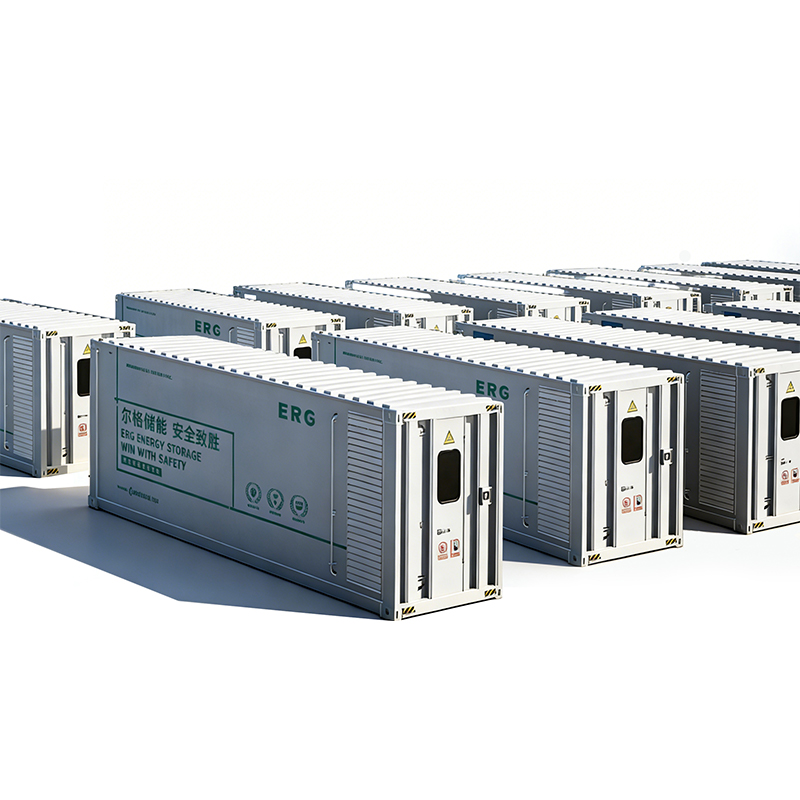
Which Types of Facilities Are More Suitable for Installing User-Side Energy Storage Systems in Practical Projects
Not every site behaves the same way. Some places have obvious daily peaks. Others stay relatively steady. Some run for long hours. Others only need stronger support at certain times.
That is why site fit matters. In practical projects, storage tends to make more sense where the load pattern has visible movement and where the site has a reason to shift power timing rather than simply consume it as it comes.
Common patterns that often deserve attention include:
- Sites with repeated high-use periods
- Buildings with changing daily occupancy
- Facilities with cooling or process loads that rise and fall
- Operations that need a more controlled power profile
A site with little variation may still use storage, but the case is less direct. A site with stronger fluctuation often has more room to work with. This is one of the reasons project screening matters before equipment is selected.
How Energy Management Systems Control Charging and Discharging in User-Side Energy Storage Applications
The storage unit itself does not decide everything on its own. It needs a control layer that tells it when to charge, when to release energy, and when to stay quiet. That control logic is what turns hardware into a usable system.
In daily operation, the control process usually follows the site's load behavior. It watches when demand rises, when it falls, and when energy should be held back. In some cases, the control approach is simple. In others, it has to account for changing schedules and shifting site priorities.
The important part is balance. If the system charges too aggressively, it may not leave enough room for later use. If it discharges too early, it may miss the period when support is needed. Real projects often sit somewhere in between those two extremes.
A User-Side Energy Storage System works well when control is aligned with actual use. That alignment is what gives the system practical value, not the hardware label alone.
What Role User-Side Energy Storage Systems Play in Solar Self Consumption and Energy Independence Strategies
When a site already has on-site solar, storage can make the overall setup easier to use. Solar output often arrives when demand is not aligned with it. That timing mismatch can leave part of the generated energy underused.
Storage helps keep more of that energy on site for later use. Instead of sending it away in one moment and drawing from the grid in another, the site can hold energy and use it when needed. That makes the whole arrangement feel more connected.
In this setting, a User-Side Energy Storage System is not acting alone. It works with the solar side, the building side, and the daily usage side at the same time. The value is in that connection.
PREV:How Does Flow Energy Storage Battery Work in Real Energy Systems
NEXT:Why Laboratory Single Cell Battery Results Vary Across Tests
NEXT:Why Laboratory Single Cell Battery Results Vary Across Tests
Interested in cooperation or have questions?

Product
Content
+86-576-83200088
No. 2, Yongxing Road, Hairun Street, Sanmen County, Zhejiang Province
Copyright © Zhejiang ERG Energy LLC. All Rights Reserved.

Customized Flow Battery ODM Services for Global Energy Storage Market