 English
 中文简体
中文简体
How to Select a Flow Battery Vendor for Future Energy Needs
How to Select a Flow Battery Vendor for Future Energy Needs
How to Select a Flow Battery Vendor for Future Energy Needs
How to Select a Flow Battery Vendor for Future Energy Needs
How to Select a Flow Battery Vendor for Future Energy Needs
How to Select a Flow Battery Vendor for Future Energy Needs
How to Select a Flow Battery Vendor for Future Energy Needs
How to Select a Flow Battery Vendor for Future Energy Needs
How to Select a Flow Battery Vendor for Future Energy Needs
How to Select a Flow Battery Vendor for Future Energy Needs
How to Select a Flow Battery Vendor for Future Energy Needs
How to Select a Flow Battery Vendor for Future Energy Needs
How to Select a Flow Battery Vendor for Future Energy Needs
How to Select a Flow Battery Vendor for Future Energy Needs
How to Select a Flow Battery Vendor for Future Energy Needs
How to Select a Flow Battery Vendor for Future Energy Needs

Product Category
NEW Category
How to Select a Flow Battery Vendor for Future Energy Needs
Energy storage projects rarely come down to a single decision. There's application requirements to sort out, system planning to work through, manufacturing capability to check, and the question of whether this is a relationship worth building for the long haul. Picking a suitable Flow Battery Vendor isn't just about lining up spec sheets side by side — it's really about figuring out whether a supplier can actually meet what a project needs, both now and down the road.
Different storage applications call for different system designs, service styles, and technical support. A cooperation that actually works tends to start with plain, direct communication between buyer and supplier. Looking closely at a supplier's track record, how they run production, and what kind of solutions they can realistically offer gives companies a much stronger footing for their energy storage decisions.
For businesses hunting for the right storage partner, sizing up a supplier from a few different angles tends to cut down on the guesswork. Everything from factory capability to how flexible the supplier is with custom solutions can shape how the whole project actually plays out.
What Should You Know Before Choosing A Flow Battery Vendor
Before any cooperation gets underway, buyers need a realistic sense of what a supplier can actually deliver. A Flow Battery Vendor might be involved in anything from system planning and product customization to technical back-and-forth and support after the system's already installed.
It's easy to get fixated on product features early on, but supplier capability deserves just as much attention. Whether a partnership actually works out often comes down to whether the supplier genuinely understands the project's environment and can respond to what it specifically needs.
A few things worth sorting out ahead of time:
- Project requirements — Get clear on where the storage system will actually be used and what it needs to accomplish.
- Supplier experience — Looking into past projects gives a sense of whether the supplier has handled similar situations before.
- Communication process — Nailing down expectations around design, delivery, and service early tends to keep cooperation running smoothly later.
- Customization ability — Some projects need adjustments to system configuration or how service gets delivered, and not every supplier handles that equally well.
Before reaching out to suppliers, it helps to have a running list of questions ready — things about production capability, system design, and how cooperation typically works. That kind of preparation makes for a much sharper conversation and helps both sides get on the same page about what the project actually needs.
| Area To Review | Questions Buyers May Consider |
|---|---|
| Project matching | Can the supplier provide solutions for different application environments? |
| Manufacturing | How does the supplier manage production and quality checks? |
| Communication | How are project requirements discussed and confirmed? |
| Service | What support is available after system delivery? |
How To Choose A Flow Battery Vendor For Your Energy Storage Project Needs
Picking a supplier takes more than glancing at a single standout feature. Most companies end up comparing how different suppliers handle design, production, and customer support side by side.
The right pick really comes down to how well a supplier's actual capabilities line up with what the project genuinely needs. A commercial storage setup, for instance, brings a different set of expectations than an industrial facility or a renewable energy application would.
While weighing different suppliers, a few questions tend to be worth asking:
- Does the supplier actually understand the application in question?
- Does the proposed system match the operational realities of the project?
- Can the supplier communicate technical details clearly, without unnecessary jargon?
- Does production follow an organized, repeatable process?
Focusing on these practical questions, rather than getting lost purely in spec comparisons, tends to make the selection process a lot more manageable. A supplier that genuinely gets the project conditions usually offers far more useful, targeted suggestions during planning than one just reciting a standard pitch.
It's also worth looking at how a supplier has handled past customer requests. The way a company communicates, adjusts its solutions, and manages ongoing cooperation says a lot about how they'll actually behave once a contract's signed.
Which Factors Help You Evaluate A Flow Battery Vendor For Long Term Cooperation
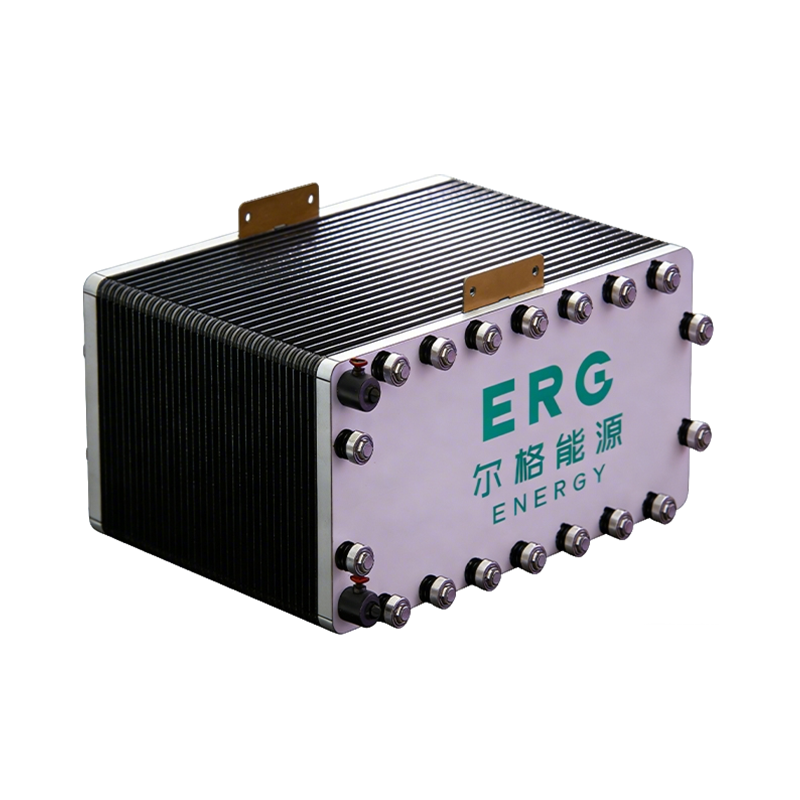
Long-term cooperation asks for more scrutiny than a first conversation can really provide. Companies generally need to think through whether a given supplier can keep supporting their needs as the project evolves over time.
A few areas worth digging into when evaluating a Flow Battery Vendor:
Manufacturing capability — How a supplier runs production affects both consistency and how well delivery timelines hold up. Getting a sense of factory operations, assembly methods, and inspection routines gives a much clearer picture of what that supplier can actually handle.
Technical communication — Energy storage projects tend to involve a fair amount of detailed planning. Suppliers need to explain design decisions clearly and stay responsive to questions as the project moves through different stages.
Service approach — Once a system's delivered, customers often need help with operation guidance, maintenance questions, or the occasional adjustment. How a supplier handles that support says a lot about what the ongoing relationship will actually feel like.
| Evaluation Area | Why It Matters |
|---|---|
| Production process | Helps buyers understand how systems are prepared |
| Design communication | Supports better project coordination |
| Service response | Helps maintain smoother cooperation |
| Custom requests | Allows solutions to match different needs |
Taking the time to evaluate carefully here lets companies choose partners based on what the project actually requires, rather than settling for whoever made the easiest first impression.
How Does A Flow Battery Vendor Create Solutions For Different Energy Storage Applications
Storage systems end up in all kinds of environments, and each one brings its own quirks. A supplier really has to think through operating conditions, the installation environment, and exactly what the system's supposed to accomplish.
A capable Flow Battery Vendor usually starts by getting into the customer's actual goals — how energy gets used, what the physical space looks like, and what the system needs to integrate with.
Different situations tend to call for different approaches:
- Renewable energy projects often care most about keeping energy available even as conditions shift throughout the day.
- Commercial facilities usually need something that works around existing operational schedules without disruption.
- Industrial users tend to weigh reliability and maintenance planning pretty heavily.
None of this really works as a one-size-fits-all template. Design tends to be a back-and-forth process between buyer and supplier, with the system getting shaped around what the customer actually needs rather than forced into a fixed mold. That kind of ongoing conversation is really what makes sure the final storage system fits the environment it's actually going into.
What Manufacturing Steps Should You Understand When Visiting A Flow Battery Vendor Factory
Walking through a factory in person tells buyers a lot more than a brochure ever could. Seeing how production and quality control actually happen on the floor gives a much clearer read on whether a supplier runs things in an organized, dependable way.
During a factory visit, a few things are worth paying close attention to:
Material preparation — How materials get handled and tracked says a lot about how organized the whole operation is.
Assembly procedures — Watching the assembly process shows how different system components come together and get prepared for shipment.
Inspection methods — Quality checks during production help confirm that products actually meet internal standards before they ever leave the facility.
Delivery preparation — Packaging, documentation, and final checks round out the picture of how a supplier operates day to day.
A factory visit isn't just about staring at machinery, either. It's a genuine chance to talk directly with the team handling production and get a feel for how they approach managing a project from start to finish.
How Can A Flow Battery Vendor Support Renewable Energy Storage System Development
Renewable projects tend to need flexible storage solutions, mostly because energy generation and actual usage don't always line up neatly on the same schedule. A supplier can help here by shaping systems around the specific demands of that kind of application.
A Flow Battery Vendor typically gets involved across several stages of this kind of project:
- Talking through the actual project conditions
- Reviewing what the storage system needs to achieve
- Adjusting the system design as needed
- Staying available for technical discussion throughout implementation
How well supplier and project developer work together often decides how smoothly the whole system gets planned and eventually installed. For companies working on renewable projects, picking a supplier who genuinely understands the application tends to keep communication clearer and cuts down on last-minute adjustments that could've been avoided with better planning upfront.
What Questions Should Companies Ask A Flow Battery Vendor Before Starting A Partnership
Before locking in a partnership, it's worth putting together a solid list of questions covering the details that actually matter. Having that conversation early helps both sides set expectations that are grounded in reality rather than assumption.
A few worth asking directly:
- What kinds of projects has the supplier actually supported before?
- How do they typically handle customized requests?
- What information do they need upfront before putting together a solution?
- How is technical support actually delivered once things get underway?
- What does communication look like at each stage of the project?
Getting straight answers to these questions helps buyers figure out pretty quickly whether a supplier's working style actually fits how their business operates. Partnerships tend to be built through this kind of ongoing conversation rather than a single pitch meeting — companies that get specific about their requirements early on usually end up with a much clearer sense of how the whole cooperation is going to unfold.
Tips For Selecting A Flow Battery Vendor For Customized Energy Storage Projects
Custom projects almost always call for tighter communication between buyer and supplier than a standard order would. Every project comes with its own quirks, so it's worth checking early whether a given supplier can actually flex to meet those specific needs.
A few practical habits worth keeping in mind while selecting a supplier:
- Have clear project details ready before reaching out to anyone.
- Bring up customization needs early in the planning conversation, not as an afterthought.
- Take a close look at how the supplier runs production and handles service.
- Compare how different suppliers communicate, not just what they quote.
- Think beyond the first purchase toward what future cooperation might look like.
A partnership that actually works tends to rest on mutual understanding rather than a one-off transaction. By weighing supplier capability, how well they fit the project, and the overall quality of communication, companies can chart a much clearer course for their energy storage plans going forward.
PREV:How Should Bulk Vanadium Electrolyte for Energy Storage Be Selected Stored and Supplied
NEXT:What Should You Know About Vanadium Redox Flow Battery Systems
NEXT:What Should You Know About Vanadium Redox Flow Battery Systems
Interested in cooperation or have questions?

Product
Content
+86-576-83200088
No. 2, Yongxing Road, Hairun Street, Sanmen County, Zhejiang Province
Copyright © Zhejiang ERG Energy LLC. All Rights Reserved.

Customized Flow Battery ODM Services for Global Energy Storage Market