 English
 中文简体
中文简体
How Should Bulk Vanadium Electrolyte for Energy Storage Be Selected Stored and Supplied
How Should Bulk Vanadium Electrolyte for Energy Storage Be Selected Stored and Supplied
How Should Bulk Vanadium Electrolyte for Energy Storage Be Selected Stored and Supplied
How Should Bulk Vanadium Electrolyte for Energy Storage Be Selected Stored and Supplied
How Should Bulk Vanadium Electrolyte for Energy Storage Be Selected Stored and Supplied
How Should Bulk Vanadium Electrolyte for Energy Storage Be Selected Stored and Supplied
How Should Bulk Vanadium Electrolyte for Energy Storage Be Selected Stored and Supplied
How Should Bulk Vanadium Electrolyte for Energy Storage Be Selected Stored and Supplied
How Should Bulk Vanadium Electrolyte for Energy Storage Be Selected Stored and Supplied
How Should Bulk Vanadium Electrolyte for Energy Storage Be Selected Stored and Supplied
How Should Bulk Vanadium Electrolyte for Energy Storage Be Selected Stored and Supplied
How Should Bulk Vanadium Electrolyte for Energy Storage Be Selected Stored and Supplied
How Should Bulk Vanadium Electrolyte for Energy Storage Be Selected Stored and Supplied
How Should Bulk Vanadium Electrolyte for Energy Storage Be Selected Stored and Supplied
How Should Bulk Vanadium Electrolyte for Energy Storage Be Selected Stored and Supplied
How Should Bulk Vanadium Electrolyte for Energy Storage Be Selected Stored and Supplied

Product Category
NEW Category
How Should Bulk Vanadium Electrolyte for Energy Storage Be Selected Stored and Supplied
Large energy storage projects do not treat electrolyte as a simple liquid purchase. The material has to arrive in a condition that fits the system, remain stable while it is waiting for use, and move through storage and transportation without unnecessary changes. That makes the purchasing process closely connected with what happens after the order leaves the supplier.
For Bulk Vanadium Electrolyte For Energy Storage, several questions tend to come up at the same time. What should be checked before an order is placed? Does concentration affect the way the liquid is used? What does purity mean in practical terms? How should the material be stored after delivery, and what should be done if its appearance changes?
There is also the project side of the discussion. The required liquid volume has to fit the storage system, while packaging and transportation need to match the scale and timing of delivery. Looking at these points together gives buyers a clearer picture of how electrolyte moves from supply to actual use.
What Should Buyers Check Before Ordering Bulk Vanadium Electrolyte For Energy Storage
A bulk order usually starts with a specification rather than a container. Before discussing shipment, buyers need to establish what kind of electrolyte the project requires and whether the proposed material matches those conditions.
Concentration is one of the details to confirm. Purity is another. The two should not be treated as interchangeable terms. A product can have the required concentration while still requiring closer attention to unwanted substances.
Batch consistency is also worth discussing when a project needs several containers or separate deliveries. If the condition of the liquid varies from one batch to another, the receiving team may have a harder time checking the material against the agreed specification.
Packaging belongs in the same conversation. The container should be suitable for the liquid, secure during handling, and easy to identify after delivery. Clear batch identification can become particularly useful when material is stored for some time before entering the system.
A pre-order discussion can cover:
- Product concentration and agreed specification
- Purity requirements and quality checks
- Batch identification and consistency
- Container condition and packaging arrangements
- Delivery timing and receiving procedures
These details may look routine during purchasing, but they become useful reference points once the material reaches the project site.
How Does Vanadium Concentration Affect Bulk Electrolyte For Energy Storage
Concentration changes the amount of active vanadium present in a given quantity of liquid. That naturally connects it with the way electrolyte is used inside a flow battery system.
It can be tempting to view a higher concentration as automatically preferable. The actual situation is less simple. A concentration has to work with the rest of the formulation and with the conditions under which the liquid will be stored and operated.
This is particularly relevant when comparing different bulk products. The useful comparison is not simply a number on a specification sheet. Buyers need to consider whether the concentration fits the system design and whether the liquid can remain in a suitable condition during handling and storage.
Concentration can also influence the amount of liquid needed for a project. That creates a link between material selection and logistics. A change in formulation may affect how much electrolyte needs to be delivered, stored, and eventually transferred into the system.
For that reason, concentration is better considered as part of the overall specification rather than as a standalone purchasing preference.
Which Impurities Matter When Buying Bulk Vanadium Electrolyte For Energy Storage
Purity becomes more interesting when the electrolyte is purchased in large quantities. Small issues that might be overlooked in a laboratory setting can become harder to ignore when material is supplied, stored, and handled at project scale.
Unwanted substances may enter during production or handling. Their effect depends on what they are and how much is present. Some can influence the behavior or stability of the electrolyte, while others may have a smaller practical effect.
This is why a buyer should look beyond a general purity description. It is useful to ask how the material is inspected and how the supplier keeps different batches consistent.
The condition of the container matters as well. A well-controlled production process does not prevent contamination if the liquid is later exposed to unsuitable handling conditions. Packaging, sealing, transportation, and storage are all part of the same chain.
When checking a bulk order, buyers can pay attention to:
- The agreed purity specification
- Quality inspection before shipment
- Batch identification
- Container sealing and cleanliness
- Any visible change after delivery
A clear inspection process gives the receiving team something practical to work with if the delivered material does not appear to match the agreed condition.
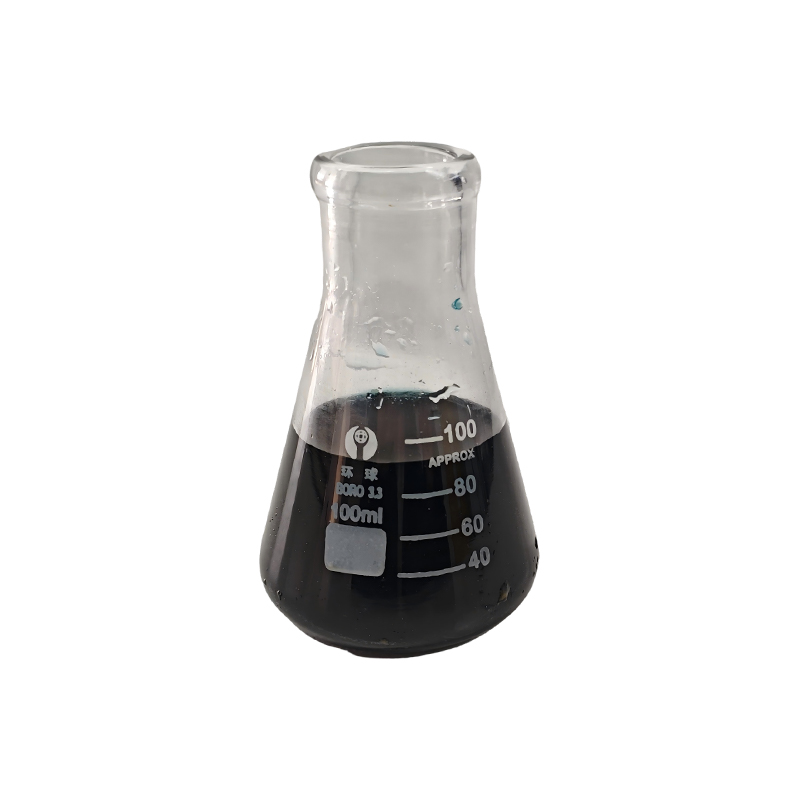
How Does Temperature Affect Bulk Vanadium Electrolyte During Storage
Once the electrolyte has arrived, storage becomes part of the material management process. Temperature is one of the conditions that deserves attention because changes in the surrounding environment can influence liquid stability.
The storage area does not need to be treated as an extension of the production facility, but it should provide conditions appropriate for the material. Large or repeated temperature changes are worth avoiding where possible.
The containers should also be positioned so that they can be inspected. If everything is packed tightly together and difficult to reach, a small leak or change in container condition may go unnoticed.
A practical storage arrangement generally considers:
| Storage concern | What to check |
|---|---|
| Temperature | Whether the environment remains suitable and reasonably stable |
| Containers | Signs of damage, leakage, or seal problems |
| Storage area | Cleanliness and suitable handling conditions |
| Identification | Whether batches can be traced after delivery |
| Inspection | Whether containers can be checked without unnecessary movement |
Storage time matters here as well. Electrolyte that will remain on site before installation needs a different level of planning from material that moves directly from delivery into the system.
The basic idea is straightforward: the condition of the electrolyte should be monitored during the period between delivery and use, rather than assuming that the material will remain unchanged simply because the container has not been opened.
What Causes Precipitation In Bulk Vanadium Electrolyte During Storage
A change in appearance can be one of the first signs that stored electrolyte needs closer attention. Sediment or crystals may appear when the liquid has been exposed to unsuitable conditions, although the visible change alone does not identify the cause.
Temperature is one possibility. Concentration changes, contamination, or other storage conditions can also play a role. That makes it risky to treat every case of precipitation in exactly the same way.
The surrounding circumstances can provide useful clues. Was the container exposed to a temperature change? Was the seal intact? Did the same change occur in other containers from the delivery? Was the material moved between different storage locations?
These questions help narrow down what happened.
If an unusual change is found, the affected container can be separated for inspection rather than immediately mixed with other material. The storage record and delivery information can then be checked alongside the condition of the liquid.
This approach is especially relevant for Bulk Vanadium Electrolyte For Energy Storage, where several containers may be stored together. A visible change in one container should not automatically be assumed to represent the condition of every container in the shipment.
How Is Bulk Vanadium Electrolyte Transported To Energy Storage Projects
Transportation is where the supply process becomes more physical. Containers have to withstand loading, movement, unloading, and temporary storage before the electrolyte reaches the system.
The focus is not simply on getting the shipment from one location to another. The condition of the material needs to remain consistent throughout the journey.
Container selection matters because the liquid must remain properly contained during handling. Sealing is equally important. Labels and batch identification help the receiving team match delivered material with the purchasing records.
The receiving process can also influence what happens next. Once the shipment arrives, the containers should be checked for obvious damage, leakage, or other unusual conditions before being moved into their storage position.
A simple handover process can cover:
- Container condition
- Batch identification
- Delivery records
- Visible changes in the material
- Storage location after unloading
Bulk transportation can involve several parties, so clear communication helps prevent small gaps between production, logistics, and receiving teams.
For Bulk Vanadium Electrolyte For Energy Storage, transportation should therefore be considered part of quality management rather than a completely separate activity.
How Does Electrolyte Volume Affect Energy Storage Capacity In Flow Batteries
After delivery, the focus shifts toward how the electrolyte fits the actual storage system. The amount required is connected with the system configuration and the intended storage capacity.
This relationship matters during procurement because the quantity ordered should have a clear connection with the project requirements. An order that does not match the system can create unnecessary storage work or leave the project waiting for additional material.
Volume should also be considered alongside concentration. Two electrolyte supplies with different formulations may not represent the same material requirement when viewed only by liquid volume.
Tank arrangements add another consideration. The project needs enough suitable space to hold the electrolyte, while the material also needs to be accessible for transfer into the system.
This is where communication between material suppliers and project teams becomes useful. The supplier needs enough information about the intended application to prepare an appropriate supply arrangement, while the project team needs to know how the supplied liquid will fit into its installation plan.
The purchasing decision is therefore connected with system planning from the beginning rather than being made entirely as a separate material transaction.
How Do Purity Concentration And Transport Affect Bulk Vanadium Electrolyte Cost
The final purchasing question is often price, but the quoted figure does not tell the whole story. The specification of the liquid, packaging, inspection, transportation, and delivery arrangement can all affect the overall cost of a bulk order.
Purity requirements may influence how the electrolyte is produced and checked. Concentration affects the formulation and its relationship with the intended system. Packaging affects handling and transportation, while delivery conditions influence how the material is received and stored.
This creates several layers behind a simple quotation.
| Cost factor | Possible effect on purchasing |
|---|---|
| Concentration | Influences the material specification and system fit |
| Purity | Affects quality control and inspection |
| Packaging | Influences handling and transport |
| Transportation | Depends on the delivery arrangement |
| Storage | Can affect handling after arrival |
| Project requirements | Influence the quantity and supply schedule |
A useful comparison therefore looks at the complete supply arrangement rather than comparing a single quoted figure. Two suppliers may offer material with similar descriptions but different packaging, inspection, transportation, or delivery conditions.
For buyers, the practical question is whether all of those parts fit together. The electrolyte needs to match the intended system, remain in suitable condition during storage, arrive without avoidable handling problems, and be available when the project needs it.
That is what makes the selection of Bulk Vanadium Electrolyte For Energy Storage a supply-chain decision as much as a material decision. Concentration, purity, storage, transportation, volume, and purchasing conditions are connected stages of the same process.
PREV:How Can a Vanadium Redox Flow Battery Supplier Meet Project Needs
NEXT:How to Select a Flow Battery Vendor for Future Energy Needs
NEXT:How to Select a Flow Battery Vendor for Future Energy Needs
Interested in cooperation or have questions?

Product
Content
+86-576-83200088
No. 2, Yongxing Road, Hairun Street, Sanmen County, Zhejiang Province
Copyright © Zhejiang ERG Energy LLC. All Rights Reserved.

Customized Flow Battery ODM Services for Global Energy Storage Market