 English
 中文简体
中文简体
How Can a Vanadium Redox Flow Battery Supplier Meet Project Needs
How Can a Vanadium Redox Flow Battery Supplier Meet Project Needs
How Can a Vanadium Redox Flow Battery Supplier Meet Project Needs
How Can a Vanadium Redox Flow Battery Supplier Meet Project Needs
How Can a Vanadium Redox Flow Battery Supplier Meet Project Needs
How Can a Vanadium Redox Flow Battery Supplier Meet Project Needs
How Can a Vanadium Redox Flow Battery Supplier Meet Project Needs
How Can a Vanadium Redox Flow Battery Supplier Meet Project Needs
How Can a Vanadium Redox Flow Battery Supplier Meet Project Needs
How Can a Vanadium Redox Flow Battery Supplier Meet Project Needs
How Can a Vanadium Redox Flow Battery Supplier Meet Project Needs
How Can a Vanadium Redox Flow Battery Supplier Meet Project Needs
How Can a Vanadium Redox Flow Battery Supplier Meet Project Needs
How Can a Vanadium Redox Flow Battery Supplier Meet Project Needs
How Can a Vanadium Redox Flow Battery Supplier Meet Project Needs
How Can a Vanadium Redox Flow Battery Supplier Meet Project Needs

Product Category
NEW Category
How Can a Vanadium Redox Flow Battery Supplier Meet Project Needs
As energy storage projects become more varied, the requirements placed on battery suppliers are also changing. A storage system may need to work alongside renewable generation, support industrial operations, or respond to changing electricity demand. These different conditions make project requirements more important than simply choosing a battery with a particular capacity or configuration.
For buyers, the supplier's role extends beyond equipment production. It can involve project communication, system sizing, material management, technical documentation, installation guidance, and ongoing service. A suitable supplier therefore needs to connect the battery system with the actual conditions of the project.
For this reason, evaluating a Vanadium Redox Flow Battery Supplier involves several stages. Buyers need to consider how the supplier approaches system design, how the electrolyte is managed, how specifications are presented, and what support is available before and after installation. Looking at these areas together can make the procurement process clearer and reduce gaps between the selected system and the intended application.
What Should Buyers Check When Evaluating a Vanadium Flow Battery Supplier
The starting point is the supplier's ability to respond to a complete project requirement rather than a single product request. Storage projects can differ in operating conditions, installation space, energy use, and expected operating patterns. A supplier should therefore be able to discuss these factors before proposing a configuration.
Technical communication is particularly important. Product information should be clear enough for buyers, installers, and project teams to review the same requirements. Relevant documentation can include system specifications, installation guidance, operating instructions, maintenance information, and other materials needed during project preparation.
Production capability is another consideration. Buyers may want to examine how a supplier manages component quality, assembly procedures, testing, and consistency between different systems. These details can help clarify whether the supplier's production process is aligned with the requirements of the intended project.
It is also useful to ask how the supplier handles changes during the project. A project specification may be adjusted after the site conditions or operating requirements become clearer. A supplier that can communicate these changes and explain their effect on the proposed system can make the transition easier.
Rather than focusing on a single claim about product performance, buyers can consider several practical questions:
- Can the supplier explain the system configuration in clear terms?
- Are technical documents available for project review?
- Can the proposed system be adjusted to suit the application?
- Is installation guidance available?
- How are maintenance and technical support handled after delivery?
These questions provide a practical starting point without reducing supplier evaluation to price alone.
How Does a Supplier Determine the Right Flow Battery System Size
System sizing begins with the way the storage equipment will be used. A project that needs to store energy for a longer operating period may require a different arrangement from one designed around shorter periods of energy use. The supplier therefore needs to understand the relationship between the project's energy demand and the required storage function.
Power and energy capacity should be considered separately. Power relates to how much energy the system needs to deliver at a particular moment, while energy capacity relates to how much stored energy is available over the intended operating period. Treating these as the same requirement can result in an unsuitable configuration.
The supplier may also need information about the site's operating pattern. For example, a project connected to renewable generation may experience changes in energy production, while an industrial site may have a different pattern of electricity demand. These conditions influence how the storage system is expected to operate.
Installation conditions matter as well. Available space, equipment arrangement, access for maintenance, and the surrounding environment can affect the final configuration. A system that appears suitable on paper may need adjustments when these physical conditions are considered.
A useful sizing discussion should therefore move through several questions rather than immediately selecting a system:
| Project Consideration | Why It Matters |
|---|---|
| Energy Demand | Helps define the amount of stored energy required |
| Operating Period | Influences how the storage system should be configured |
| Power Requirement | Indicates how the system should respond to changing demand |
| Site Conditions | Affects equipment placement and installation planning |
| Future Requirements | Helps avoid a configuration that is difficult to adjust later |
A Vanadium Redox Flow Battery Supplier can use these factors to develop a configuration that reflects the project's actual operating conditions instead of relying on a standard arrangement.
How Does Vanadium Electrolyte Quality Affect System Selection
Electrolyte is a central part of a flow battery system because it stores the energy used by the system. Its condition and management can therefore influence how the battery operates over time.
When buyers compare suppliers, electrolyte information deserves attention alongside the battery equipment itself. The supplier should be able to explain how the electrolyte is prepared, handled, introduced into the system, and managed during operation.
Quality control is relevant because changes in electrolyte condition can affect system behavior. A supplier should have procedures for checking the material and maintaining consistency during system preparation. Clear handling instructions can also help reduce uncertainty during installation and later maintenance.
Electrolyte volume is connected to the amount of energy the system is designed to store. This creates a close relationship between the material supply and the overall system configuration. Buyers may therefore need to consider whether the supplier can provide the required electrolyte arrangement as part of the project rather than treating it as a separate issue.
Ongoing management is another point worth discussing. Depending on the system design and operating conditions, electrolyte inspection or adjustment may form part of maintenance work. The supplier's documentation should make the relevant procedures clear to the people responsible for operating the system.
This area also provides a useful way to compare suppliers. Instead of asking only whether electrolyte is included, buyers can ask how its quality is controlled, how it is handled during delivery and installation, and what guidance is provided for later operation.
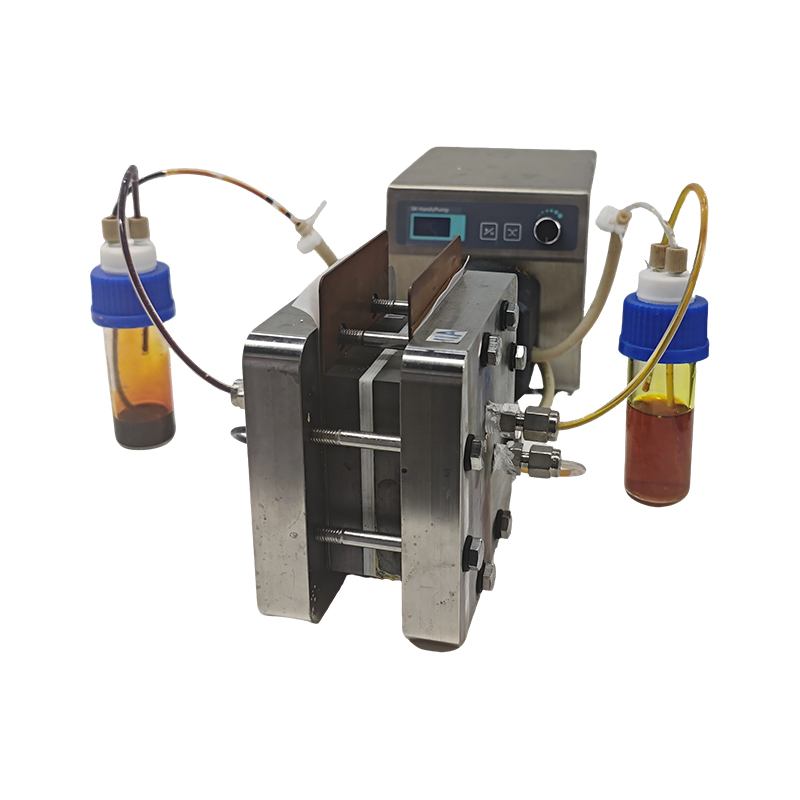
Which Vanadium Flow Battery Specifications Matter for Buyers
Technical specifications are useful only when they can be connected to the intended application. A long specification sheet does not necessarily make a system easier to evaluate. Buyers need to identify which characteristics affect their project and compare suppliers on the same basis.
Power rating and energy capacity are two key areas. Power describes the amount of energy that can be delivered at a given time, while energy capacity relates to the amount stored within the system. The relationship between these two characteristics affects how long the system can support a particular load.
Efficiency can also influence system planning. Buyers may want to know how much energy is available after the storage process and how operating conditions affect that relationship. Rather than relying on a single figure, it is useful to consider the conditions under which the supplier presents its specifications.
Operating conditions should also receive attention. Temperature, installation environment, operating range, and maintenance requirements may affect the suitability of a proposed system. These details become more important when the storage equipment will operate in a demanding environment.
| Specification Area | Buyer Consideration |
|---|---|
| Power Capability | Whether the system can respond to the required load |
| Energy Capacity | Whether the stored energy matches the intended use |
| Operating Conditions | Whether the system fits the installation environment |
| Efficiency | How energy use affects system operation |
| Maintenance Requirements | What ongoing attention the equipment requires |
A Vanadium Redox Flow Battery Supplier should be able to explain these specifications in relation to the project rather than simply providing a list of technical descriptions.
How Can Suppliers Configure Systems for Different Storage Needs
Once the project requirements and specifications have been established, system configuration becomes the next consideration. Different applications place different demands on energy storage, so a single arrangement may not be appropriate for every site.
Renewable energy projects, for example, may need storage to work alongside changing energy production. Industrial facilities may have a different pattern, with storage equipment supporting scheduled operations or changing electricity demand. Microgrid projects can introduce additional requirements related to local energy management.
The configuration may involve more than the battery unit itself. Storage tanks, pumps, control equipment, electrical connections, and supporting components need to work together as a complete system. The supplier needs to consider how these elements interact rather than selecting each component independently.
Project expansion can also influence configuration. Some buyers may want an arrangement that can be adjusted if energy storage requirements change later. Discussing possible changes during the design stage can help prevent unnecessary modifications after installation.
The application should therefore remain at the center of the configuration process. The same storage technology can serve different purposes, but the equipment arrangement, operating approach, and supporting components may need to change according to the project's conditions.
What Should Be Included in a Vanadium Flow Battery Supplier Quote
A supplier quotation should provide enough information for buyers to understand what is included in the proposed system. Comparing only the equipment price can make two quotations appear similar when their actual scopes are different.
A clear quotation may distinguish between the battery system, electrolyte, supporting equipment, installation requirements, commissioning assistance, documentation, and service arrangements. The exact scope depends on the project, but separating these elements makes comparison easier.
Buyers should also check whether certain activities are included or handled separately. Installation guidance, system testing, transportation arrangements, and technical support can affect project planning even when they are not part of the main equipment package.
Another useful point is consistency. If two suppliers describe their systems using different terms or include different components in their quoted scope, direct comparison becomes difficult. Asking each supplier to clarify the same group of requirements can create a more practical basis for evaluation.
A quotation can therefore be reviewed through questions such as:
- What equipment is included?
- Is the electrolyte part of the proposed package?
- What installation support is available?
- What technical documents are supplied?
- What commissioning activities are included?
- What maintenance support is available after delivery?
This approach keeps the purchasing discussion focused on the complete project requirement rather than a single price.
How Do Suppliers Support Installation and System Commissioning
After equipment selection, installation becomes an important stage in the project. The storage system needs to be positioned, connected, checked, and prepared for operation according to the project design.
Site preparation should be considered before equipment arrives. Available space, access routes, supporting structures, electrical connections, and other site conditions can affect installation work. Early communication between the supplier and project team can help identify potential issues before they interfere with installation.
Installation guidance is another area where supplier involvement can be useful. Documentation should explain the relevant requirements in a way that installers can follow. Where additional technical assistance is needed, the supplier may provide support during connection and initial testing.
Commissioning is not simply a matter of switching the equipment on. The system needs to be checked against the intended configuration, and operating functions should be verified before regular use begins. Clear procedures can help project teams identify problems at an early stage.
A Vanadium Redox Flow Battery Supplier may therefore have responsibilities that continue beyond manufacturing and delivery. Coordination during installation and commissioning can help connect the original design requirements with the operating system on site.
What Supplier Support Matters After a Vanadium Flow Battery Is Installed
The relationship between a supplier and a project does not necessarily end when installation is complete. Storage equipment needs regular attention, and project teams may require technical assistance when operating conditions change or an issue appears.
Maintenance can involve checking system components, monitoring operating conditions, inspecting connections, and reviewing the condition of the electrolyte. The exact maintenance process depends on the system design and operating environment.
Monitoring also has a practical role. Changes in system behavior can provide useful information about maintenance needs or operating conditions. A supplier should provide clear guidance on what should be monitored and how unusual conditions should be addressed.
Troubleshooting support is another consideration. When a system does not operate as expected, project teams need a clear way to identify the possible cause and determine the appropriate response. Accessible technical documentation and communication channels can make this process more manageable.
Long-term service can also involve replacement components, maintenance planning, system adjustments, and technical consultation. These requirements are worth discussing during procurement rather than waiting until an issue occurs.
For buyers, supplier evaluation can therefore extend across the full project cycle: understanding the initial requirement, configuring the system, preparing the quotation, supporting installation, and providing guidance during operation. A supplier that can address these stages in a consistent way can make it easier to align the storage system with the practical needs of the project.
PREV:How Does a Grid-Side Energy Storage System Support the Grid
NEXT:How Should Bulk Vanadium Electrolyte for Energy Storage Be Selected Stored and Supplied
NEXT:How Should Bulk Vanadium Electrolyte for Energy Storage Be Selected Stored and Supplied
Interested in cooperation or have questions?

Product
Content
+86-576-83200088
No. 2, Yongxing Road, Hairun Street, Sanmen County, Zhejiang Province
Copyright © Zhejiang ERG Energy LLC. All Rights Reserved.

Customized Flow Battery ODM Services for Global Energy Storage Market